



A brown box with blue text reading “Trademarks & Unfair Competition”

Trade Libel and Defamation

Terms: “trade libel” and “defamation”

  • “Trade libel” is sometimes used to refer to a corporation or business entity suing for defamation (as opposed to a natural person suing).
  • “Trade libel” is used by many sources to mean a cause of action distinct from defamation: Where defamation is an injurious falsehood about a person (natural or corporate), trade libel is an injurious falsehood about a product, service, or a piece of property.
  • This second sense is often called “product disparagement.”

Product disparagement (i.e., “trade libel” in the as-opposed-to-defamation sense)

  • At root, product disparagement involves much of the same doctrine as defamation, but requirements are added.
  • Typical differences vs defamation:
    • Product disparagement is regarded as being a stricter, more demanding claim for a plaintiff to bring. A plaintiff has been said to have “very limited rights” to sue over falsehoods said about a product.
    • Special damages are always required (e.g., proving an itemized list of lost sales).
    • The plaintiff must prove falsity.
    • The plaintiff must prove actual malice (or even more, such as intent to dissuade sales).
    • The plaintiff may have to prove that pecuniary damages were foreseeable by or intended by the defendant.

So to learn the bulk of the doctrine regarding product disparagement, we can just proceed to talking about defamation.

Constitutional analysis

Public
Officials

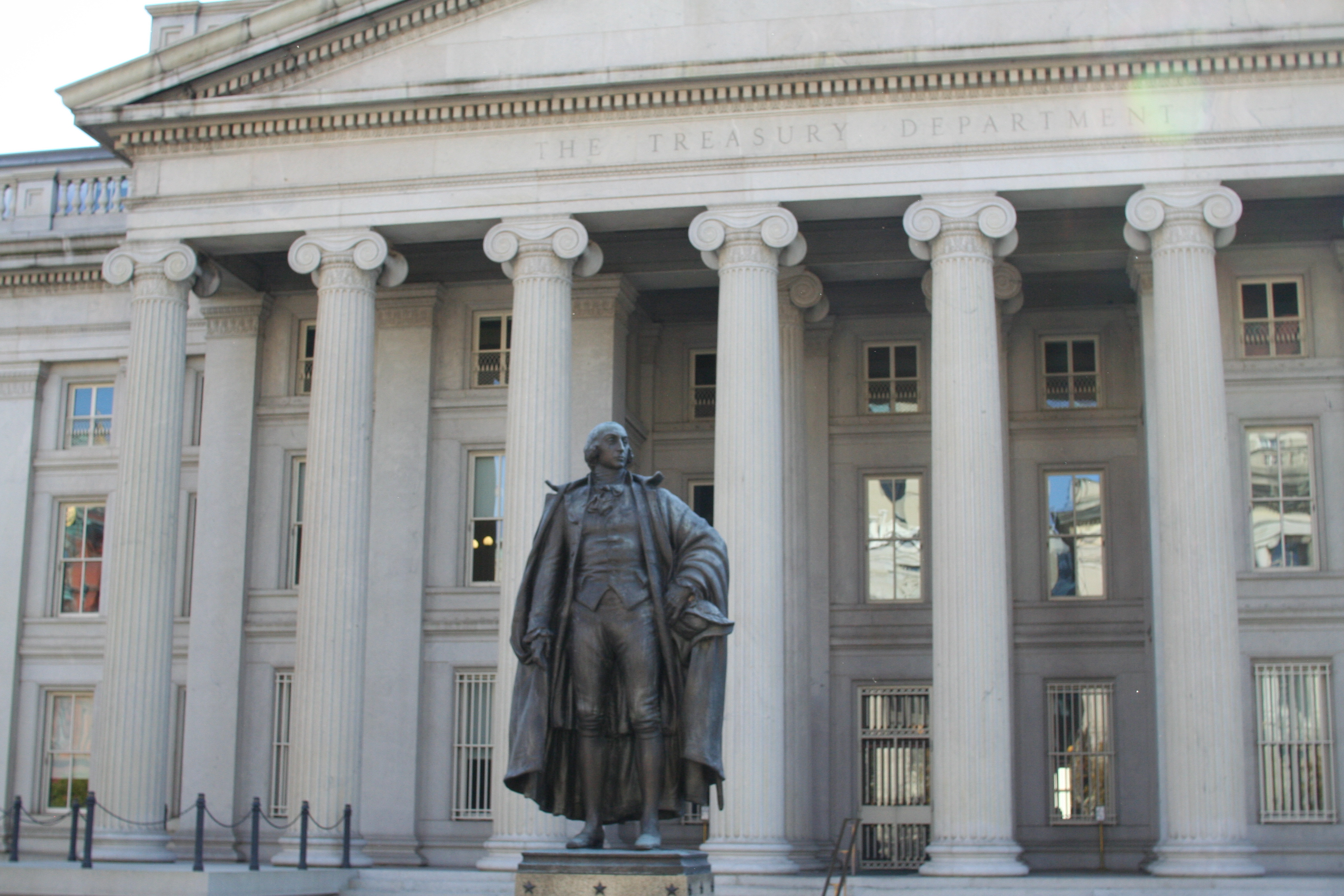
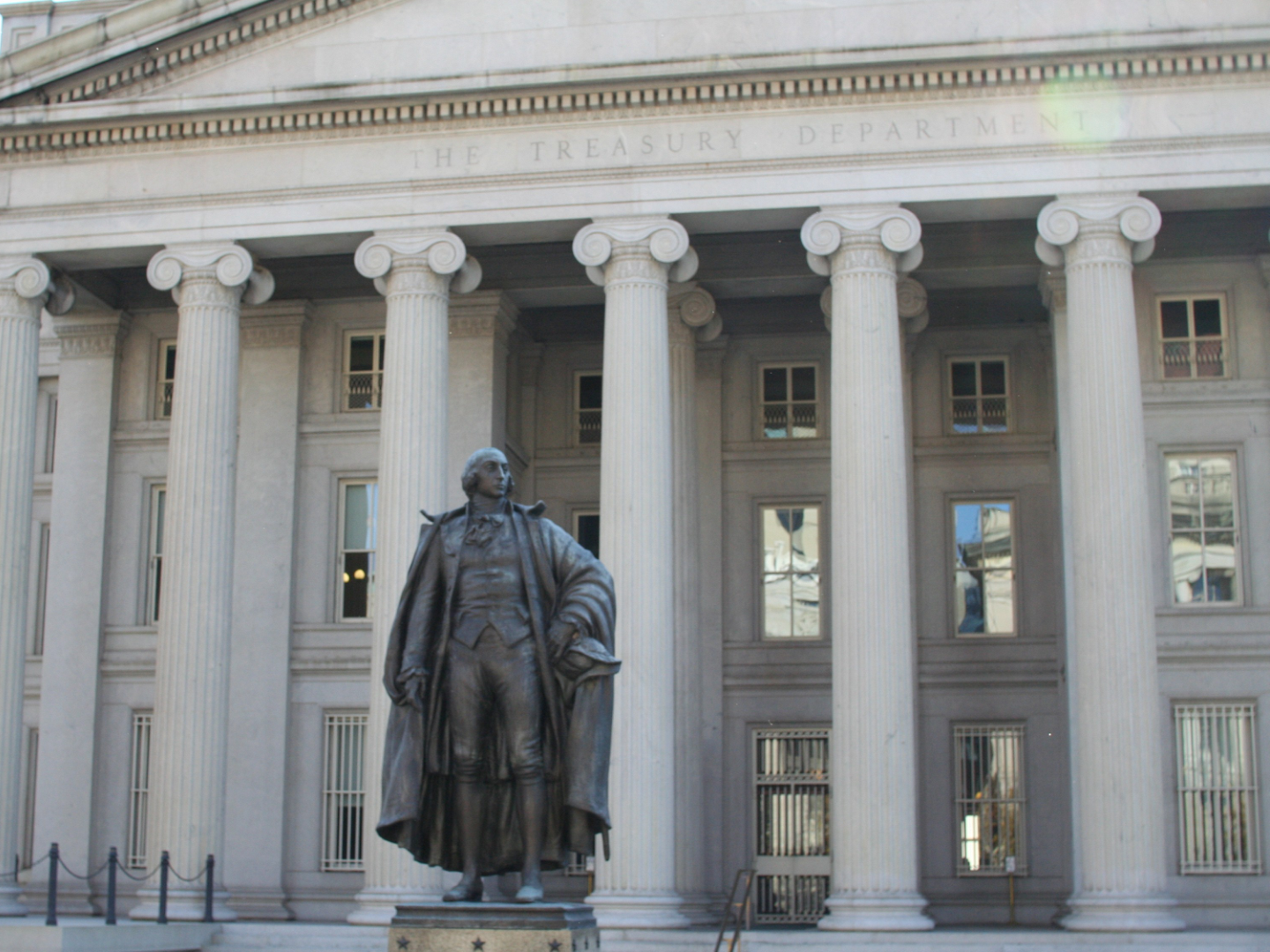
Front of the Treasury Department, Washington DC, with a statue of a man in founding-fathers period dress.

Public official?

[We’ll skip this.]

Public
Figures

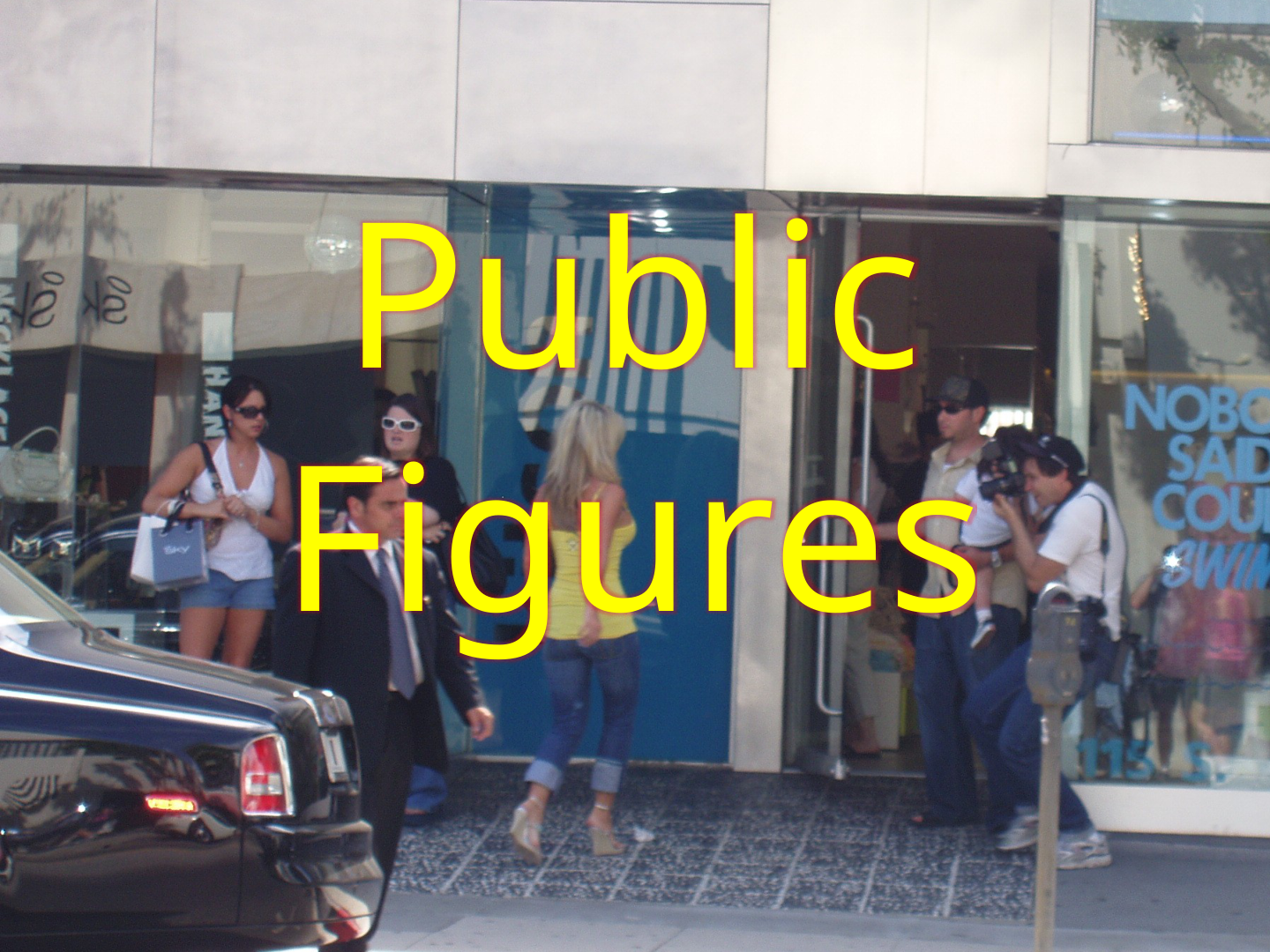
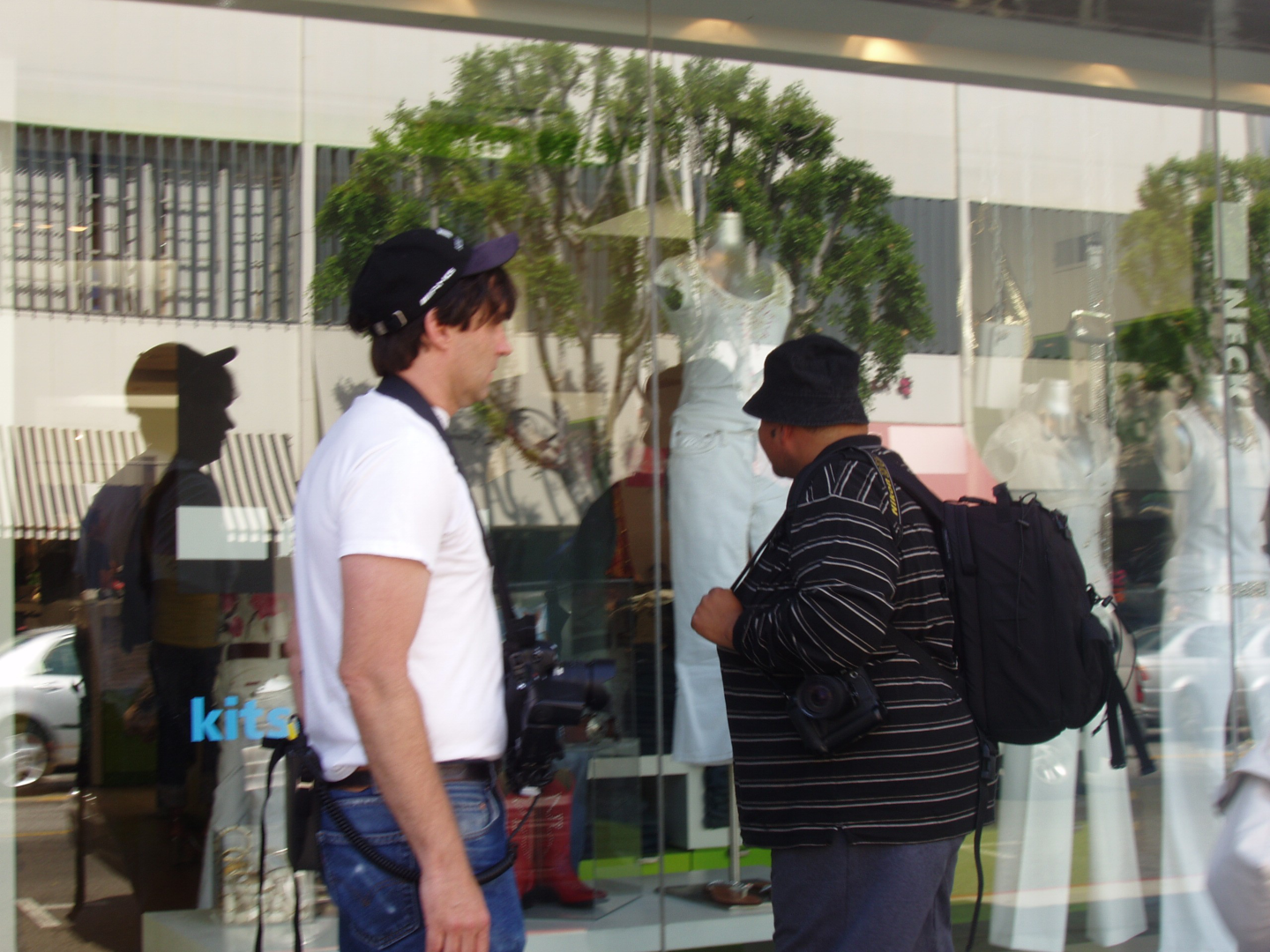
Paparazzi take photos as a blond woman walks into a store. A limo and security person or driver is in the foreground.
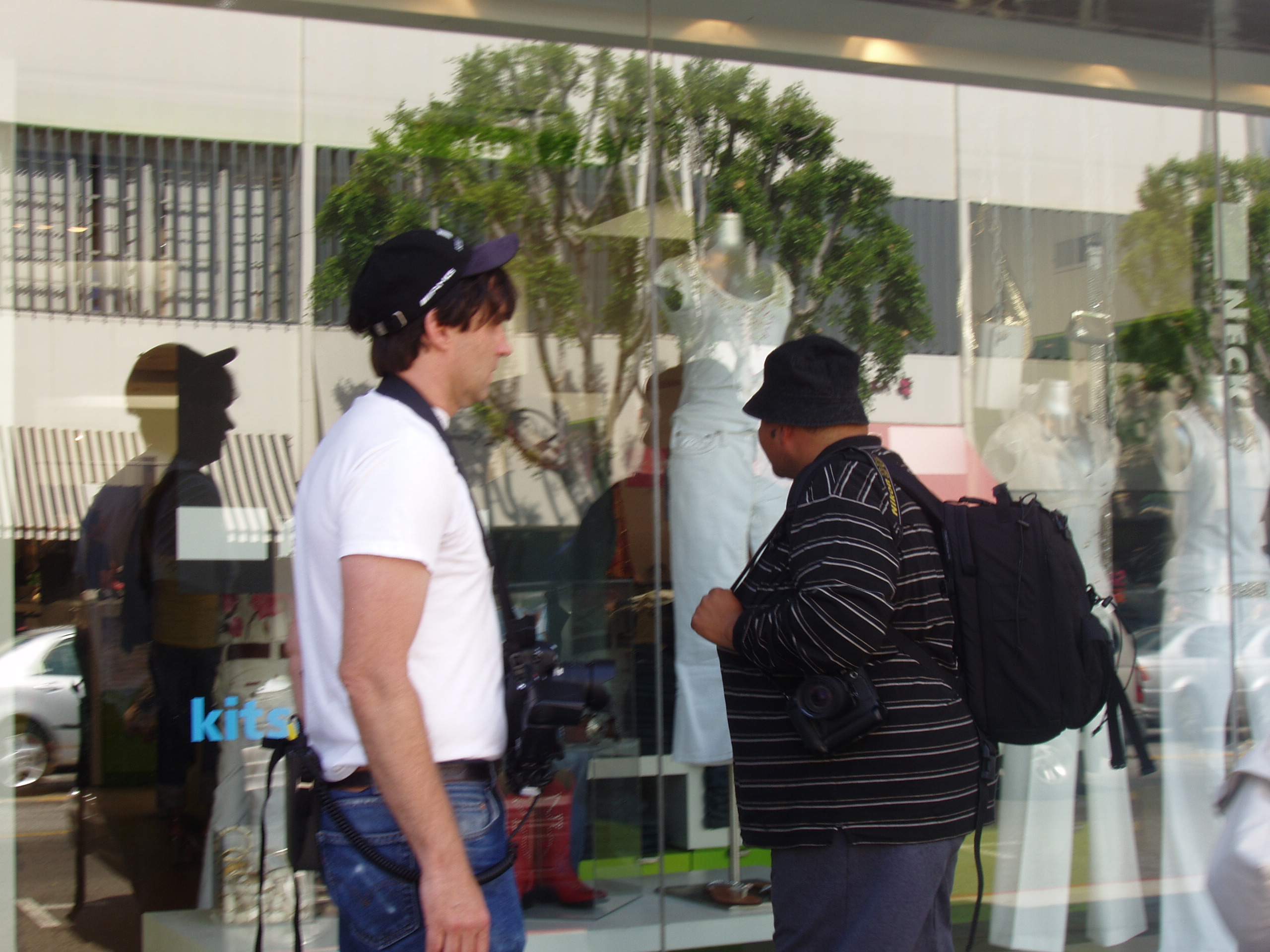
Paparazzi standing around idle in front of a store. They are turned part-way away from the camera. One is smiling awkwardly.

Public figure?

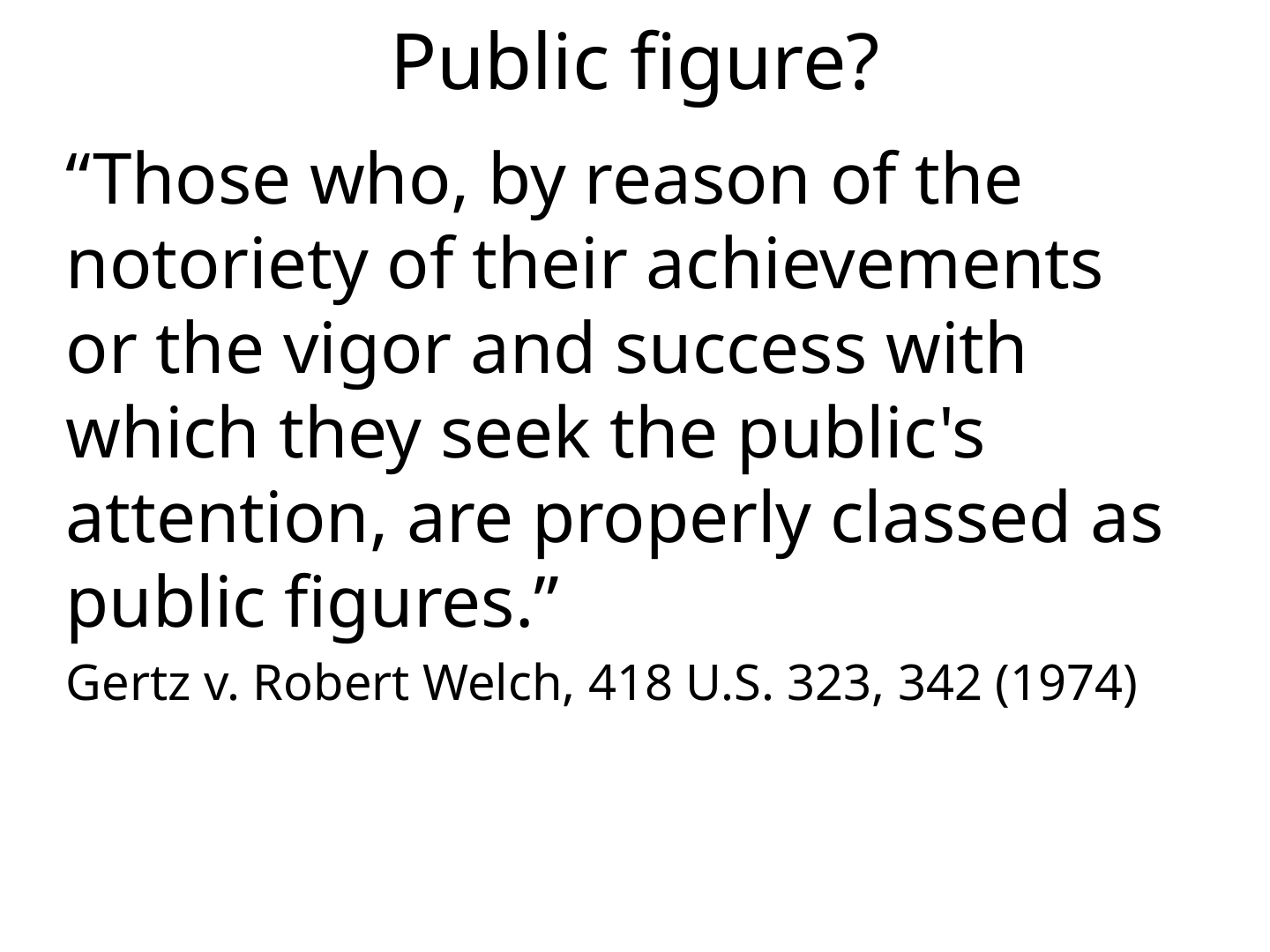
  • “Those who, by reason of the notoriety of their achievements or the vigor and success with which they seek the public's attention, are properly classed as public figures.”
  • Gertz v. Robert Welch, 418 U.S. 323, 342 (1974)
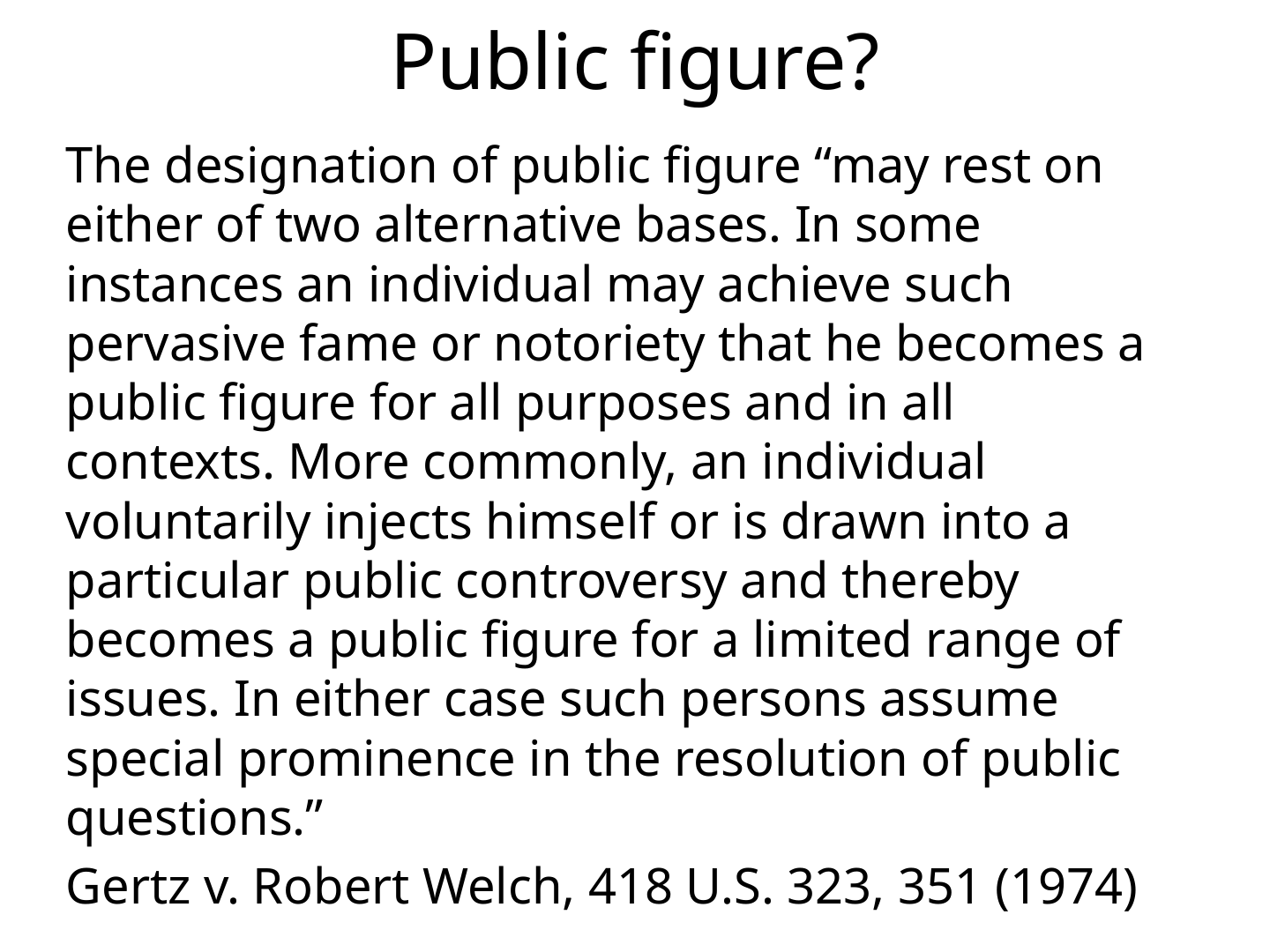
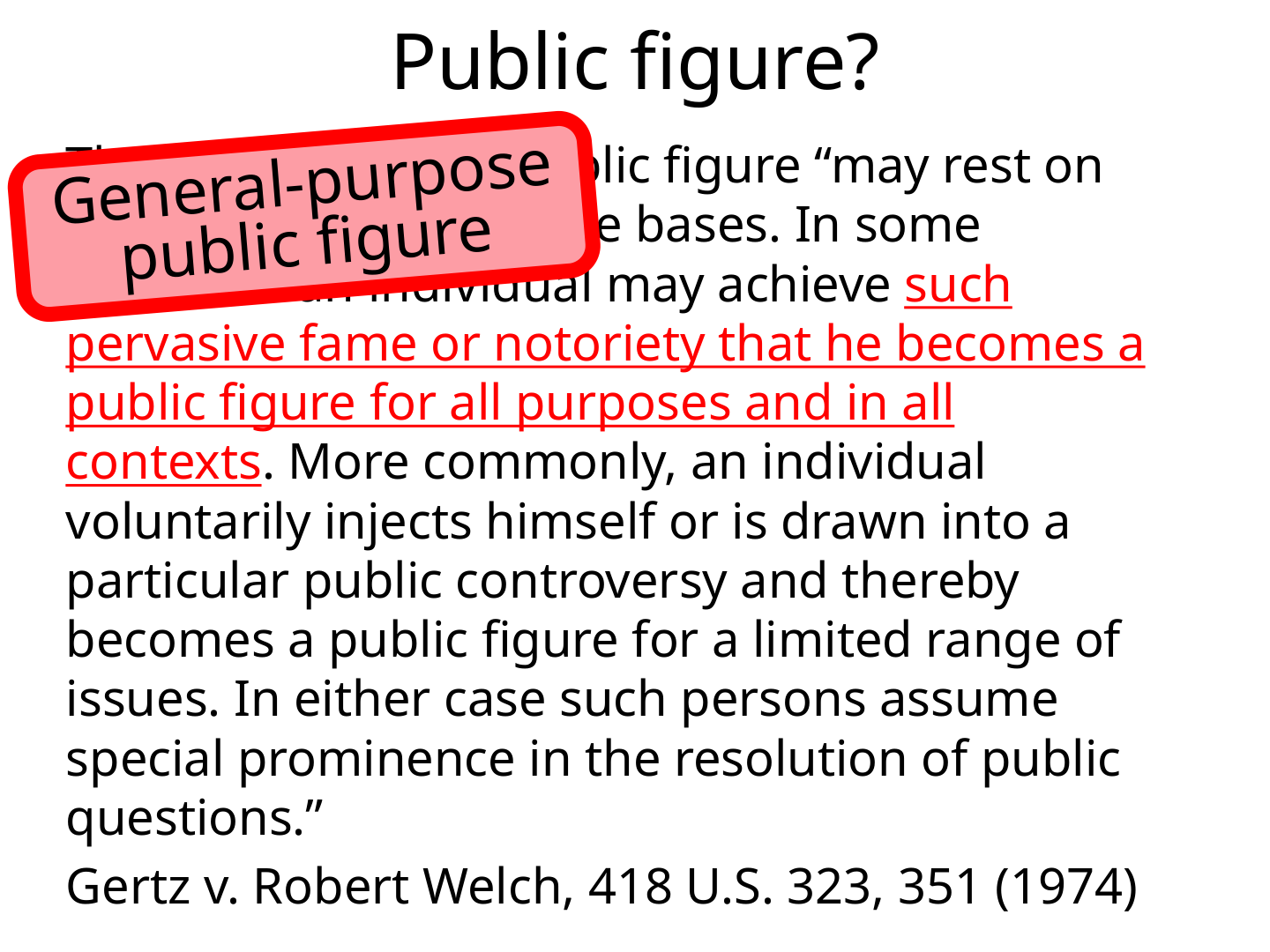
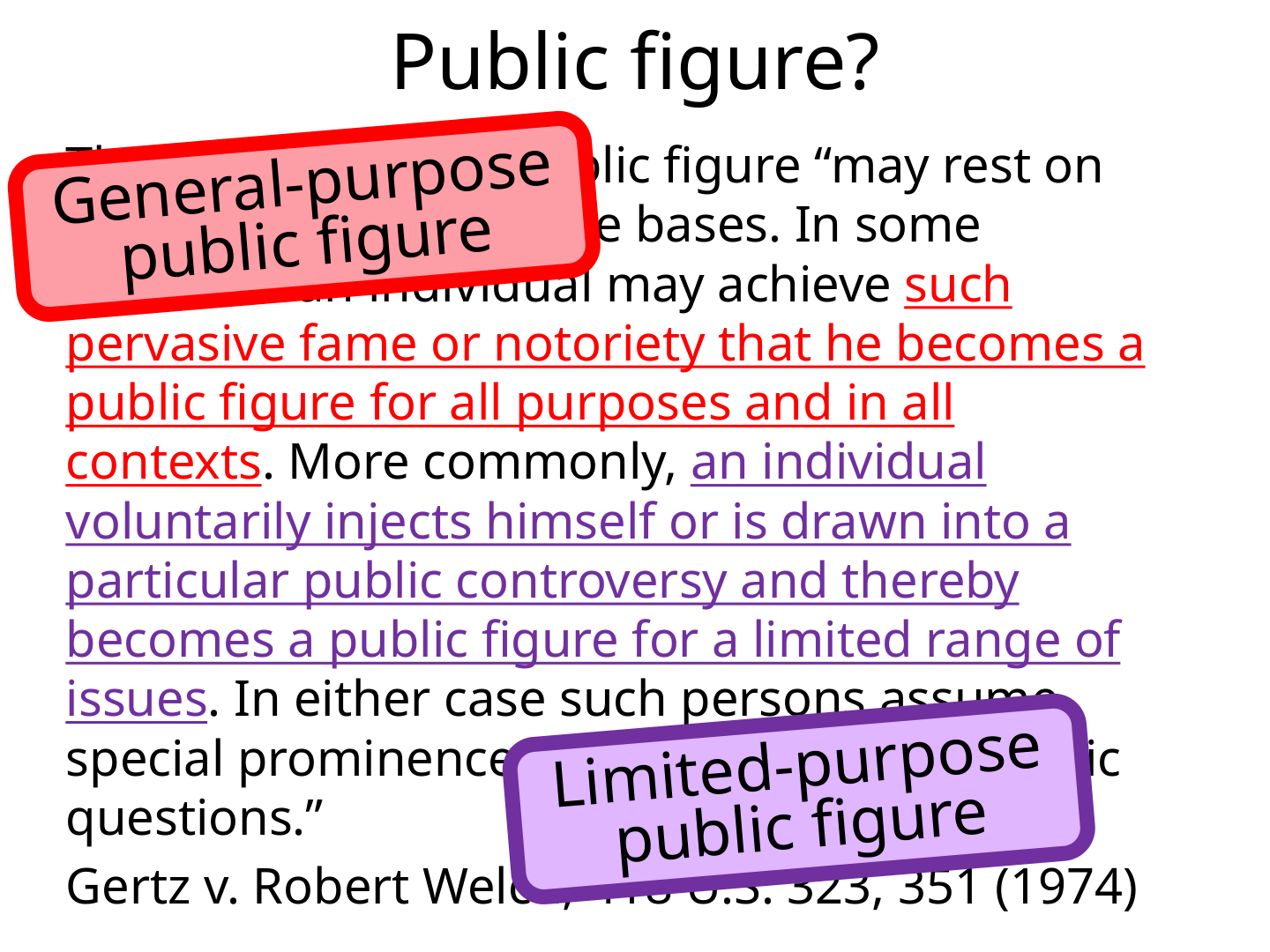
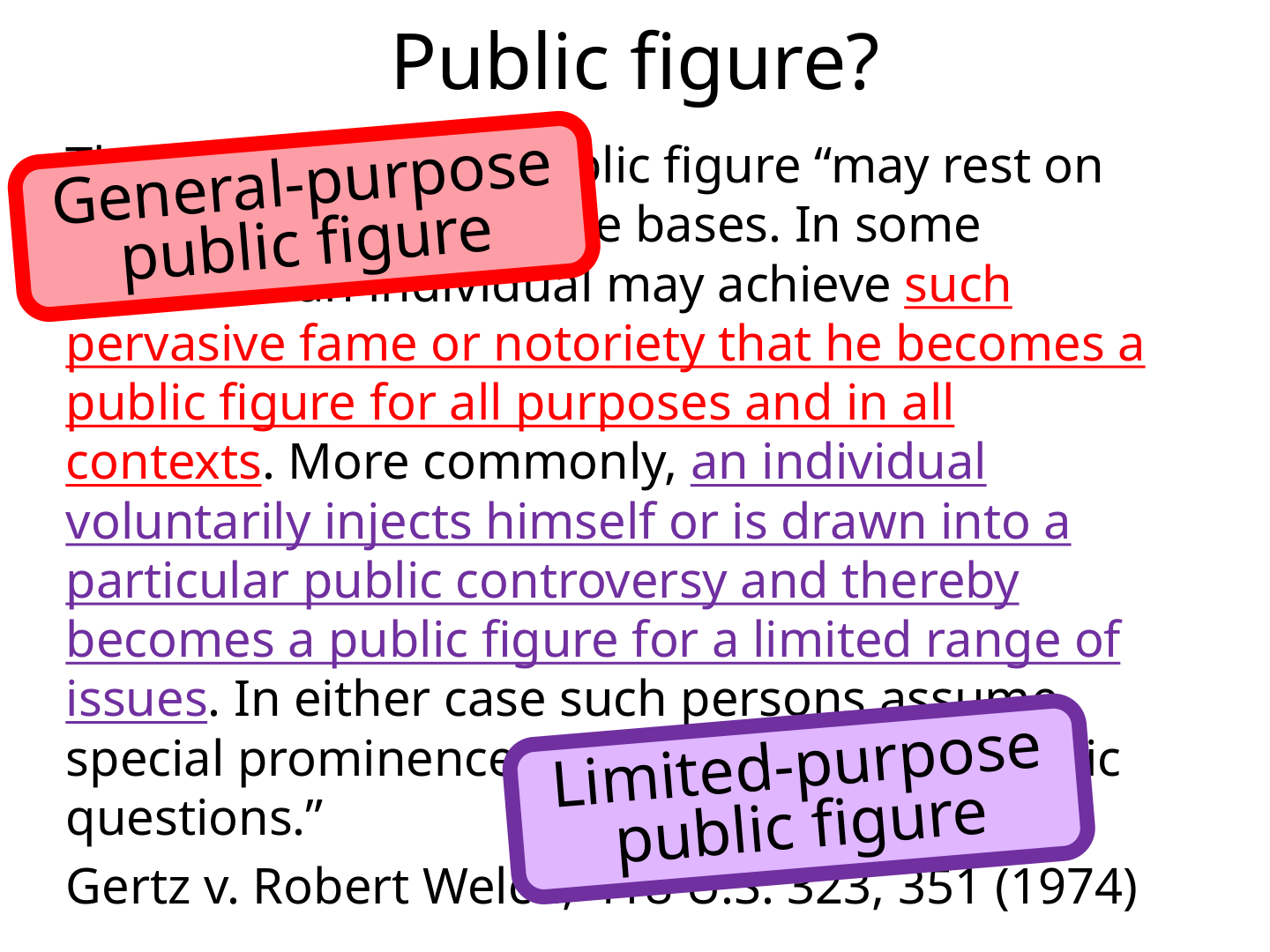
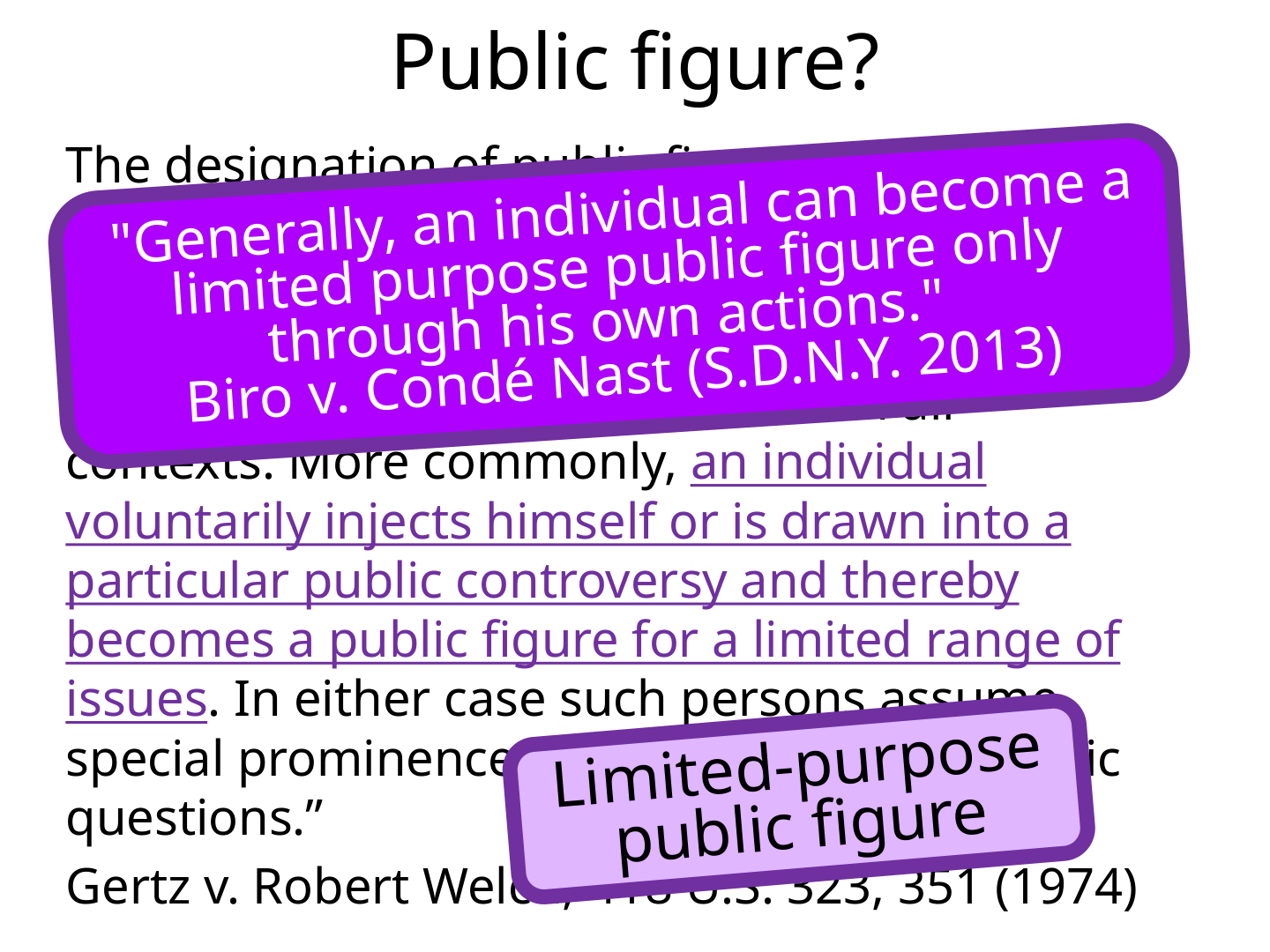
  • The designation of public figure “may rest on either of two alternative bases. In some instances an individual may achieve such pervasive fame or notoriety that he becomes a public figure for all purposes and in all contexts. More commonly, an individual voluntarily injects himself or is drawn into a particular public controversy and thereby becomes a public figure for a limited range of issues. In either case such persons assume special prominence in the resolution of public questions.”
  • Gertz v. Robert Welch, 418 U.S. 323, 351 (1974)

General-purpose public figure

Limited-purpose public figure

"Generally, an individual can become a limited purpose public figure only through his own actions." Biro v. Condé Nast (S.D.N.Y. 2013)

Realotheticals…

Public figure?

Bose – makers of the heavily advertised Bose Wave Radio

Yes.Bose v. Consumers Union (Consumer Reports magazine) (U.S. 1984)

Government contractor that provided civilian interrogators for U.S. Army intelligence brigade

Yes.CACI Premier Technology, Inc. v. Rhodes (4th Cir. 2008)

Larry Klayman, founder and former chair of Judicial Watch, a public-interest law firm; frequent guest on TV, cable, radio; and has “celebrity status within the non-profit legal/political community”

Yes – general-purpose public figure.Klayman v. Judicial Watch (D.D.C. 2009)

Rev. Norwood Thompson, Jr., pastor of the First Zion Baptist Church in New Orleans, civically active, and the subject of some local media coverage regarding his activities

Yes – general-purpose public figure.Thompson v. Emmis Television Broadcasting (La. App. 2005)

Local television news reporter who broadcast more than 1,000 stories, participated in at least four public charitable events and considered herself a local celebrity.

No.Wayment v. Clear Channel Broadcasting (Utah 2005)

Owner of business that customized jetskis who posted to internet news group rec.sports.jetski and who was interviewed by SPLASH magazine

  • Yes – limited-purpose public figure.Hibdon v. Grabowski (Tenn. App. 2005)
  • Court noted that rec.sport.jetski is an internet site that “is accessible worldwide.”
  • "Hibdon himself knowingly and consciously sought publicity for his jet ski business by his initial postings on rec.sport.jetski. The controversy began following Hibdon's posting on the news group of the success of his jet ski modifications, prior to the publishing of the defamatory statements made by the Defendants. The controversy was “public” due to the international reach of the Internet news group rec.sport.jetski, the national circulation of SPLASH Magazine, as well as the significance of the claims being asserted by Hibdon [“builder of some of the fastest jet skis on planet Earth”].”
  • Hibdon v. Grabowski (Tenn. App. 2005)

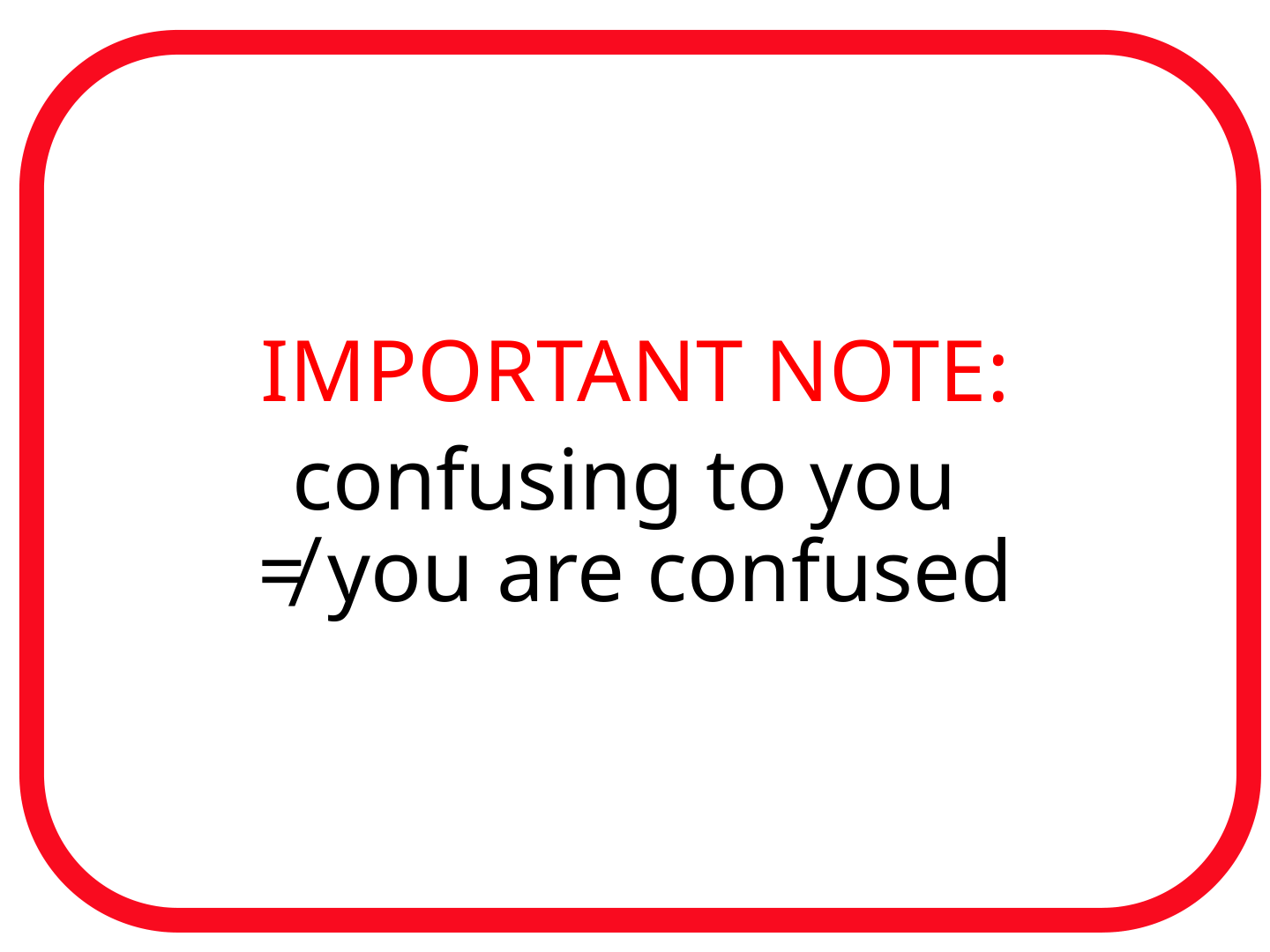
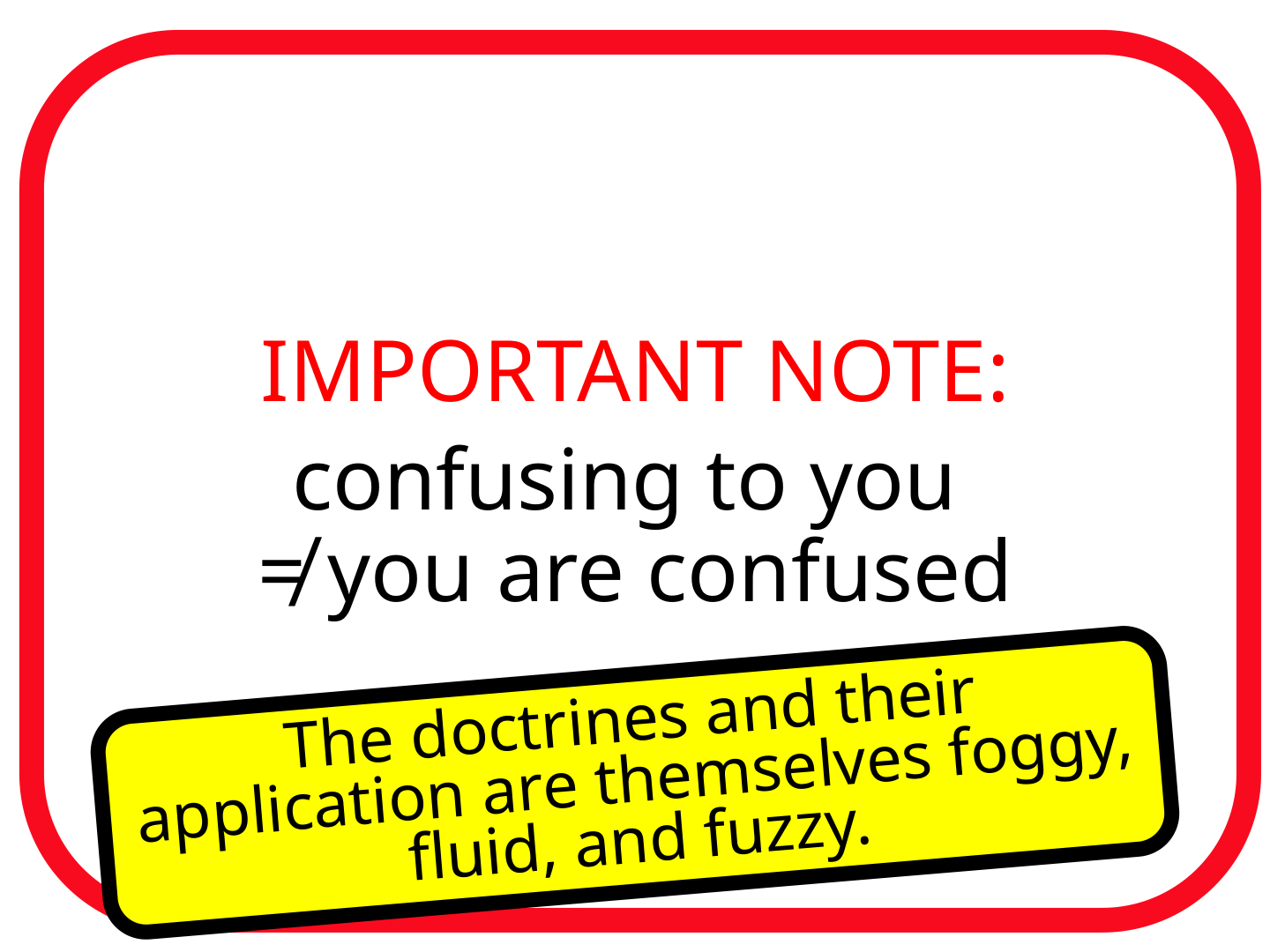
IMPORTANT NOTE:
confusing to you ≠ you are confused

The doctrines and their application are themselves foggy, fluid, and fuzzy.

Remember: If you find it all confusing, it doesn’t mean you are confused; it's actually a leading indicator that you understand.

Remember: If you find it all confusing, it doesn’t mean you are confused; it's actually a leading indicator that you understand. 

Public figure?

Religious sect leader who leads “an ongoing public conversation on religion, addressing Internet users on a frequent basis from her own Verified Twitter account, which has 17,221 followers,” “produced dozens of publicly accessible online video teachings which have been viewed over 143,000 times,” and “makes her public teachings available to her followers through the Buddhist KPC website which she founded.”

Yes – “an easily identifiable public figure.” U.S. v. Cassidy (D. Md. 2011) (criminal stalking context rather than defamation)

Defamatory Statement

Defamatory meaning

“A communication is defamatory if it tends so to harm the reputation of another as to lower him in the estimation of the community or to deter third persons from associating or dealing with him.”Nuyen v. Slater (Mich. 1964)

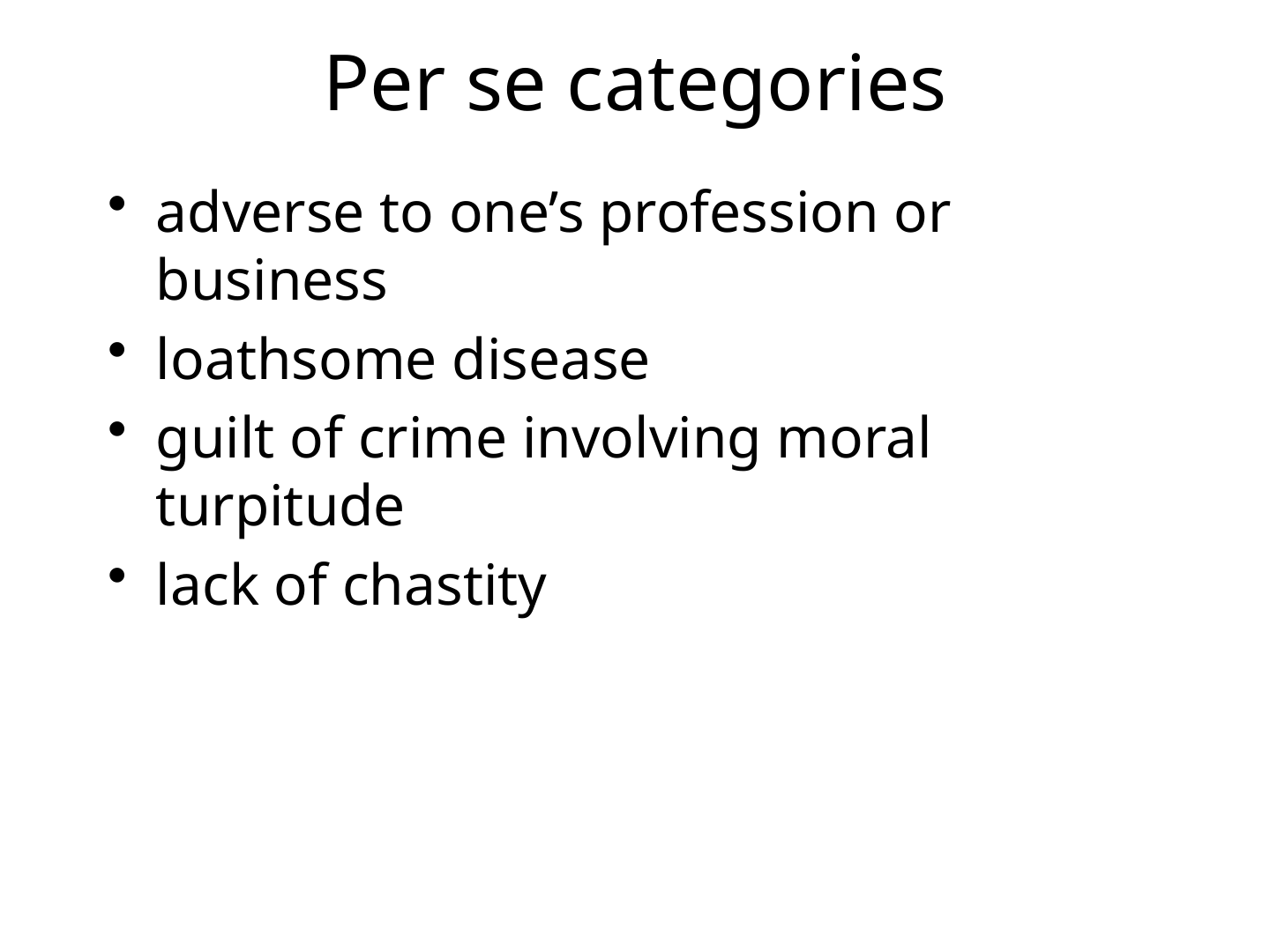
Per se categories

  • adverse to one’s profession or business
  • loathsome disease
  • guilt of crime involving moral turpitude
  • lack of chastity

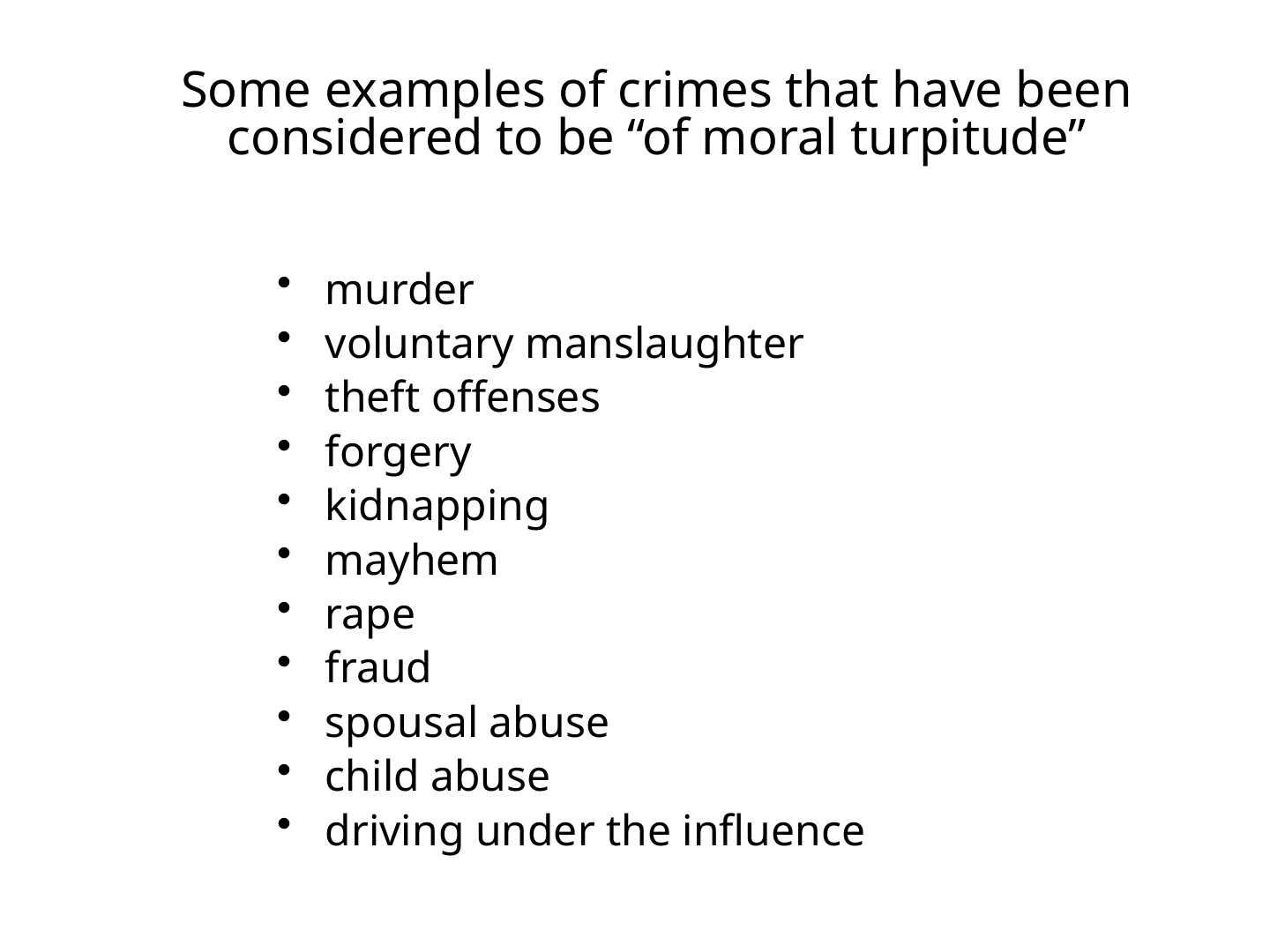
Some examples of crimes that have been considered to be “of moral turpitude”

  • murder
  • voluntary manslaughter
  • theft offenses
  • forgery
  • kidnapping
  • mayhem
  • rape
  • fraud
  • spousal abuse
  • child abuse
  • driving under the influence

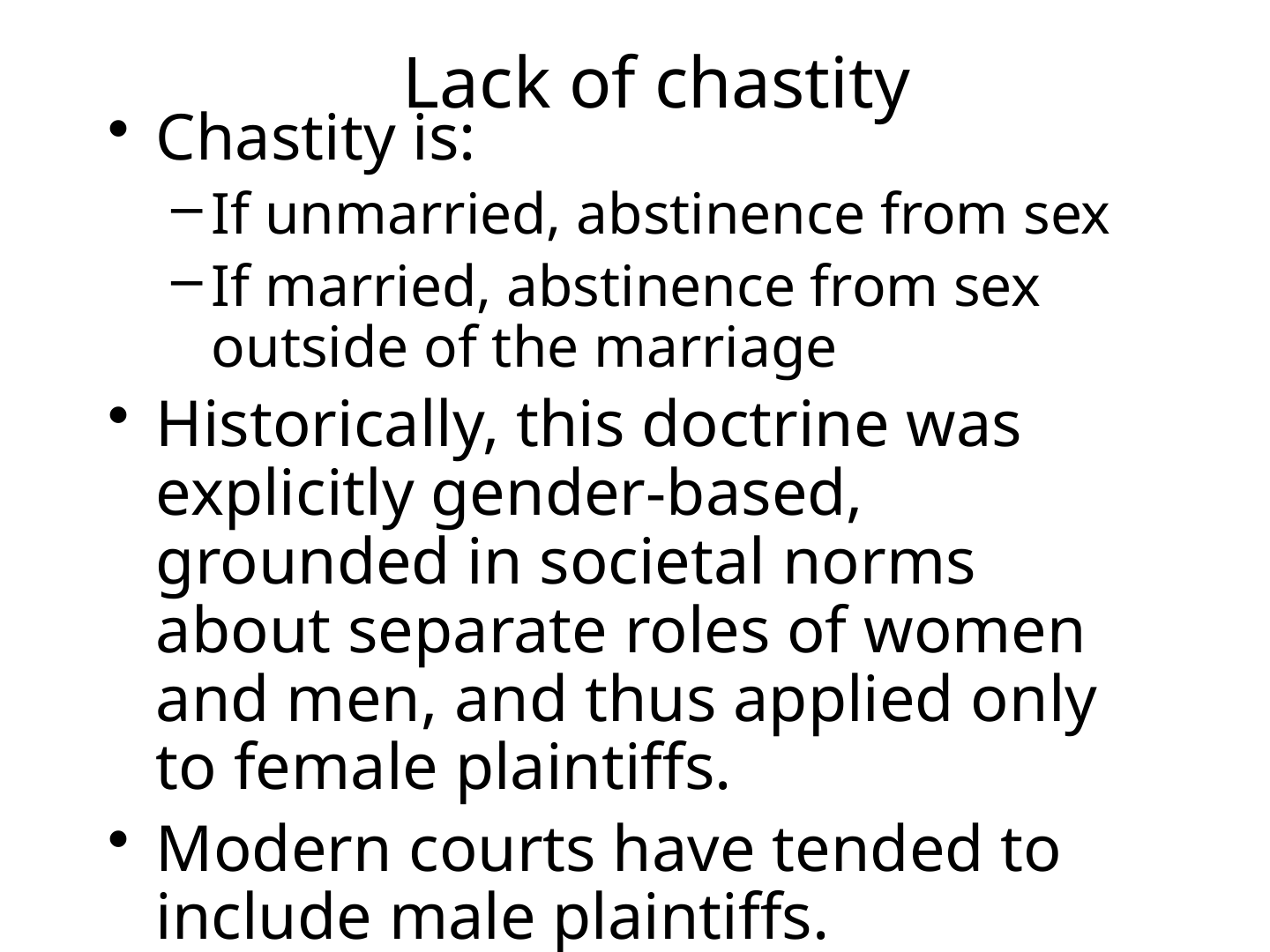
Lack of chastity

  • Chastity is:
    • If unmarried, abstinence from sex
    • If married, abstinence from sex outside of the marriage
  • Historically, this doctrine was explicitly gender-based, grounded in societal norms about separate roles of women and men, and thus applied only to female plaintiffs.
  • Modern courts have tended to include male plaintiffs.

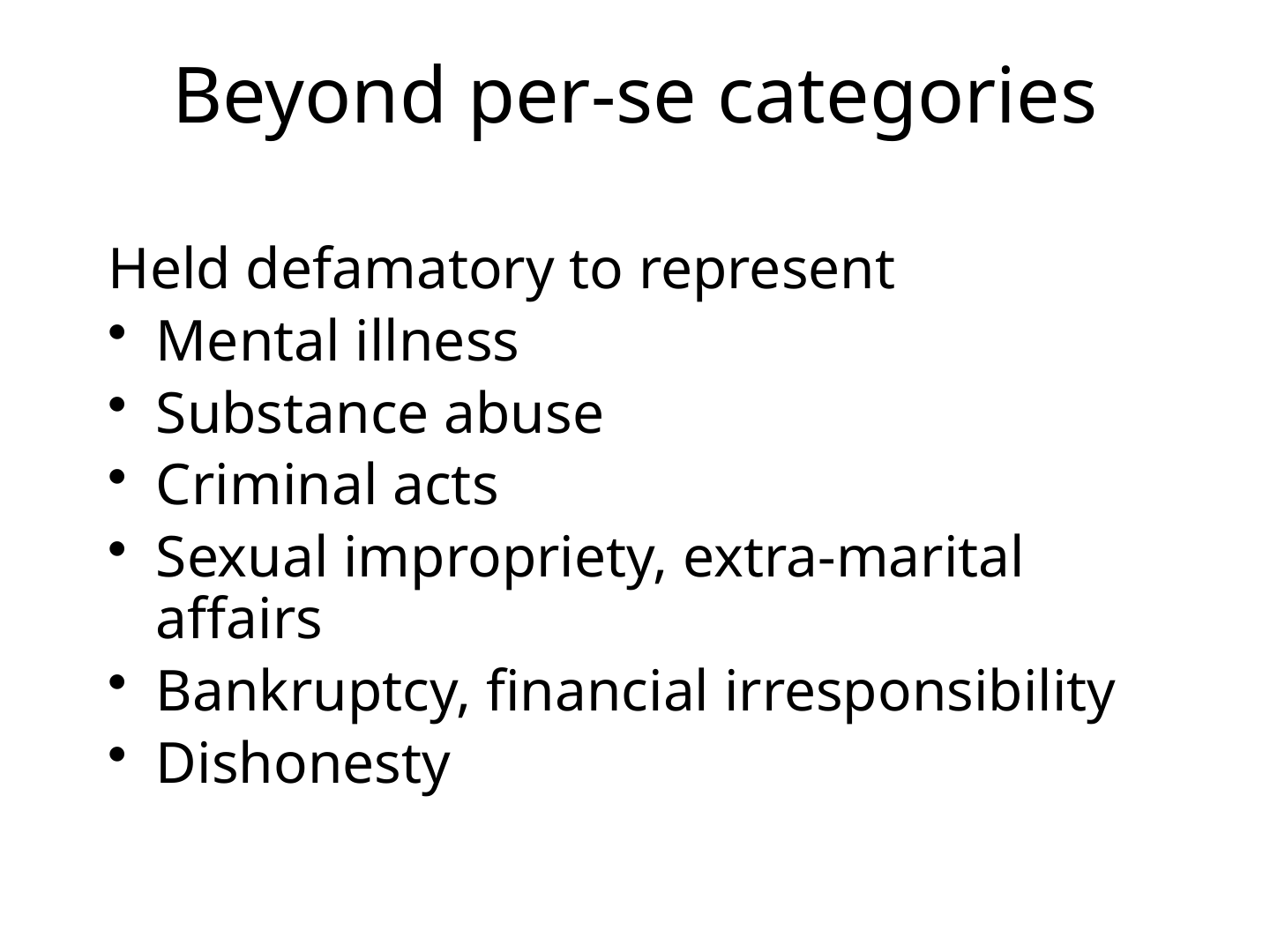
Beyond per-se categories

  • Held defamatory to represent
  • Mental illness
  • Substance abuse
  • Criminal acts
  • Sexual impropriety, extra-marital affairs
  • Bankruptcy, financial irresponsibility
  • Dishonesty
  • Courts “take the world as it is” when deciding what is defamatory, even if it might be considered wrong thinking
  • Status as a victim of rape
  • Defamatory according to some courts
  • Gay, lesbian, or bisexual orientation
  • Defamatory in most courts as of a few years ago, but the strong trend is toward finding this not reputation harming.
  • Being a Communist
  • Generally not considered defamatory during World War II
  • Generally considered defamatory during Cold War

Accident or implication

  • Defamatory statements can be made by implication. An explicit statement is not necessary.
  • Defamation can happen accidentally by juxtaposition – especially of words and images – creating perceived meaning unintended by the author.

Clark v. ABC

“The Broadcast was reasonably capable of two meanings, one defamatory and the other non-defamatory. Consequently, it was for the jury to decide whether the Broadcast was understood as being defamatory.”

Regarding a Matter of Fact

Regarding a Matter of Fact

Fact vs. opinion

  • Only statements of purported fact can be defamatory.
  • Opinion is protected.
  • What counts as non-actionable opinion can be a close issue.
  • In considering whether a statement is a factual/actionable one, courts will consider:
    • The context
    • Whether the statement is provably false
    • Precision and specificity of language
    • Words of apparency, cautionary language
    • The medium
    • The intended audience

Realotheticals…

Fact vs. Opinion

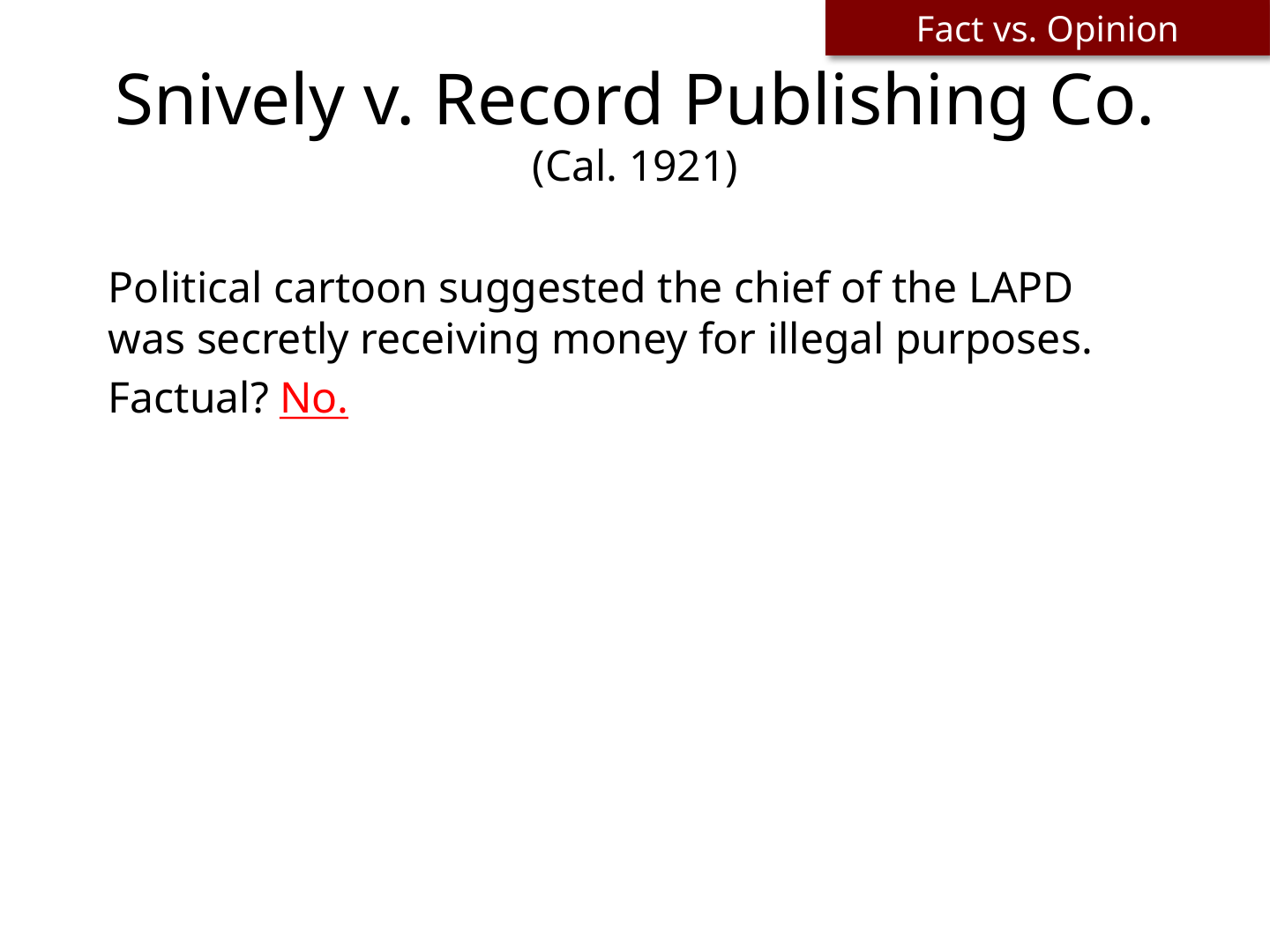
Snively v. Record Publishing Co.(Cal. 1921)

Political cartoon suggested the chief of the LAPD was secretly receiving money for illegal purposes.

Factual?

Factual? No.

The cartoon was protected as fair comment. Political cartoons get “running room” from courts, as it is intrinsic to the genre that facts are stretched and exaggerated for the purpose of advancing a pointed commentary.

Obsidian Finance Group v. Cox(D. Or. 2011)
Crystal L. Cox
Got a Tip?
[image of detective hat on top of files]
Email Me - Crystal@CrystalCox.com
Investigative Blogger
Crystal L. Cox
Got a Tip?
[image of detective hat on top of files]
Email Me - Crystal@CrystalCox.com
Investigative Blogger

Fact vs. Opinion

Obsidian Finance Group v. Cox(D. Or. 2011)

  • Cox’s blogged allegations against Padrick included money laundering, perpetrating “fraud on the courts,” and engaging in various “illegal activity.”
  • Cox blogged that Padrick was a “Thief,” a “CRIMINAL,” and a “Corrupt Attorney.”

Factual assertion?

No.

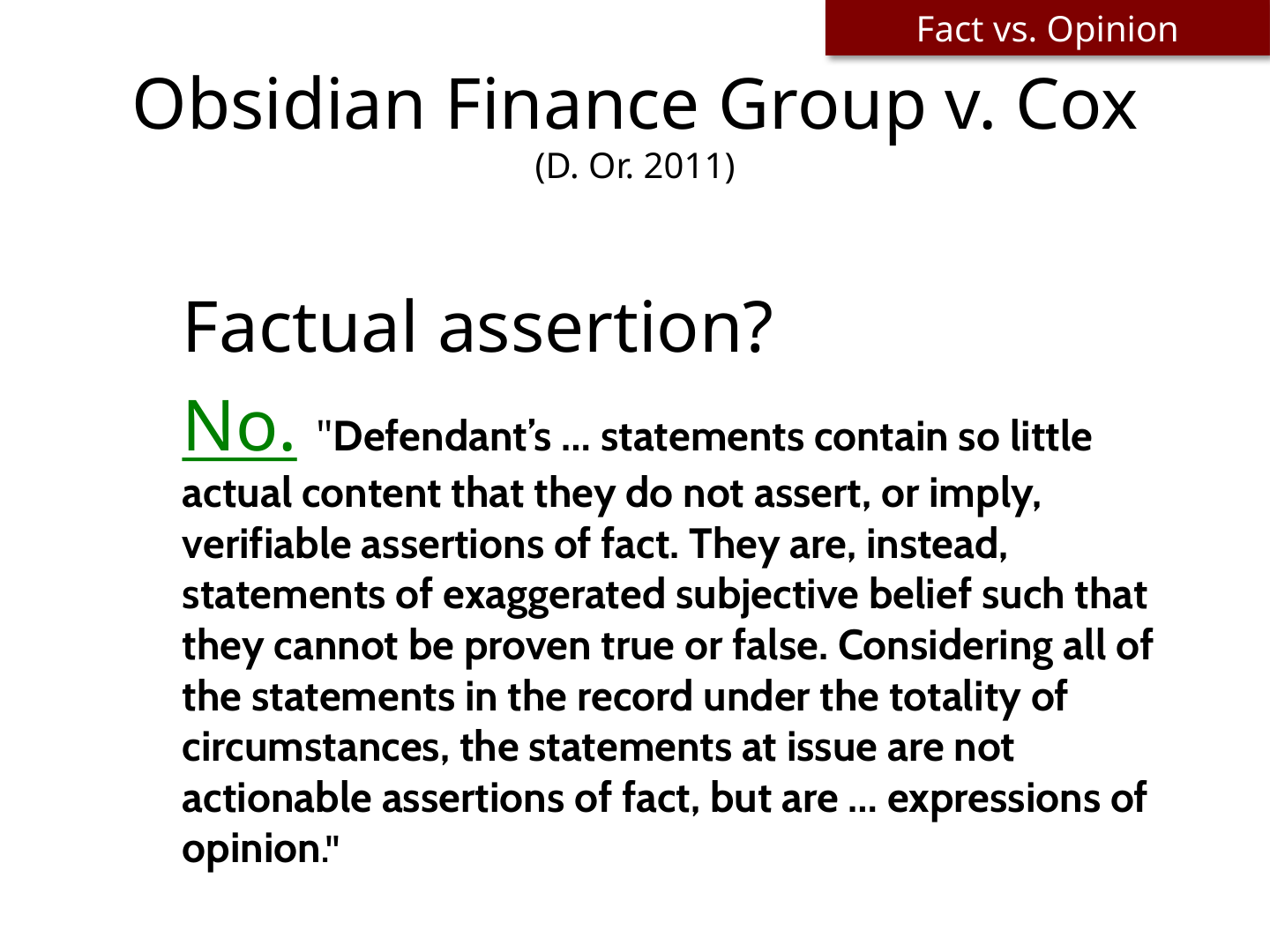
No. "Defendant’s … statements contain so little actual content that they do not assert, or imply, verifiable assertions of fact. They are, instead, statements of exaggerated subjective belief such that they cannot be proven true or false. Considering all of the statements in the record under the totality of circumstances, the statements at issue are not actionable assertions of fact, but are … expressions of opinion."
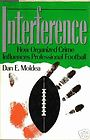

Moldea v. New York Times
(D.C. Cir. 1994)

Book cover of "Interference: How Organized Crime Influences Professional Football" by Dan E. Moldea
Partial image of cover New York Times Book Review

Fact vs. Opinion

  • Moldea v. New York Times
  • (D.C. Cir. 1994)
  • “But there is too much sloppy journalism to trust the bulk of this book's 512 pages — including its whopping 64 pages of notes.”
  • – from the article

Is this a factual assertion?

Yes.

Of and concerning the plaintiff

Who can be a defamation plaintiff?

  • Any natural living person
    • If you’ve heard “You can’t defame the dead,” that’s actually true.
  • Non-natural persons (e.g., corporate entities) can be defamed. (This is often called “trade libel.”)
    • But various doctrines make it more difficult for these entities to win defamation suits.

Of and concerning the plaintiff

  • Explicit identification suffices.
  • Identification can also be implicit.
  • Identification can even be accidental.

Realotheticals…

Fawcett Publications v. Morris

True magazine

Of and concerning the plaintiff?

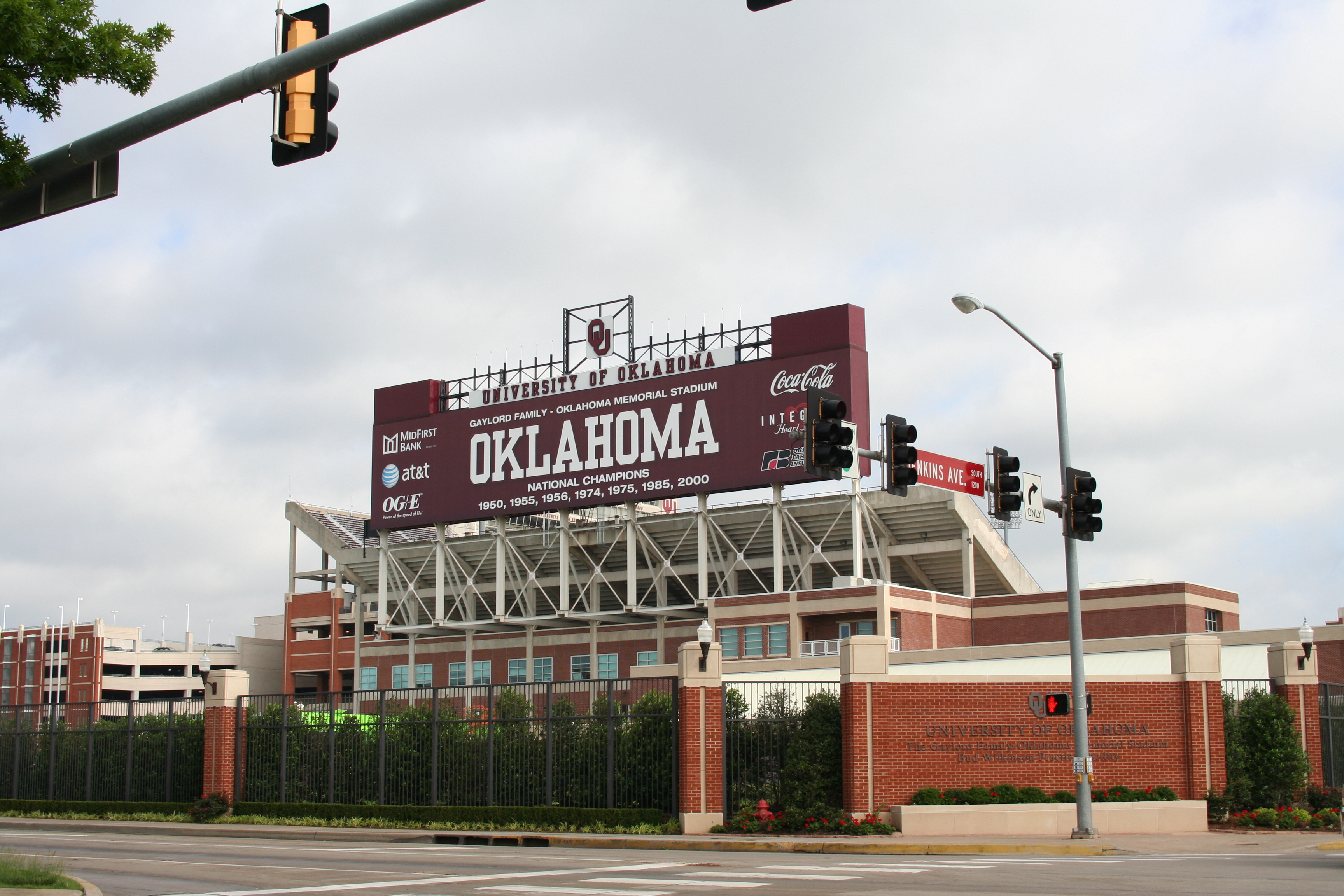
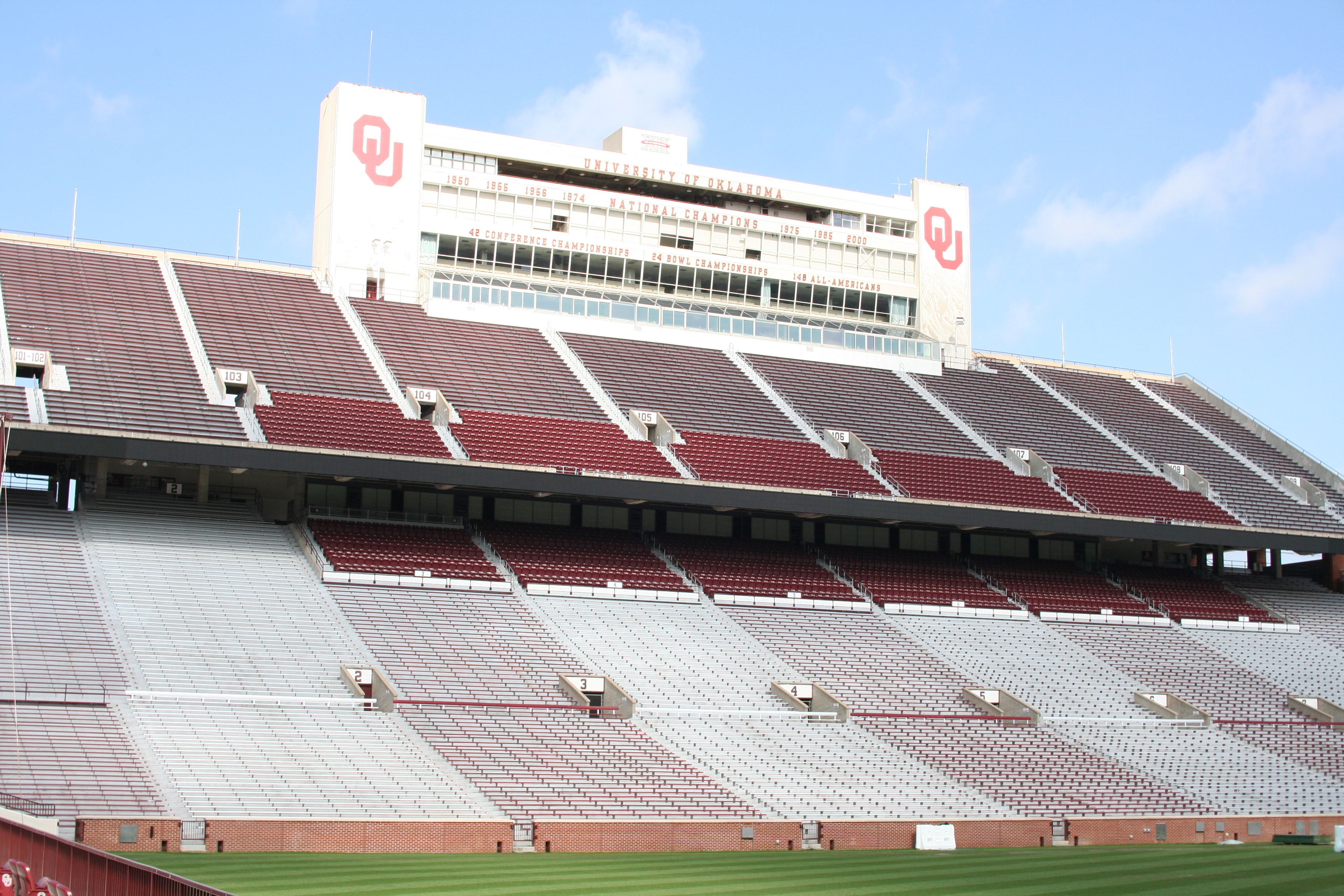
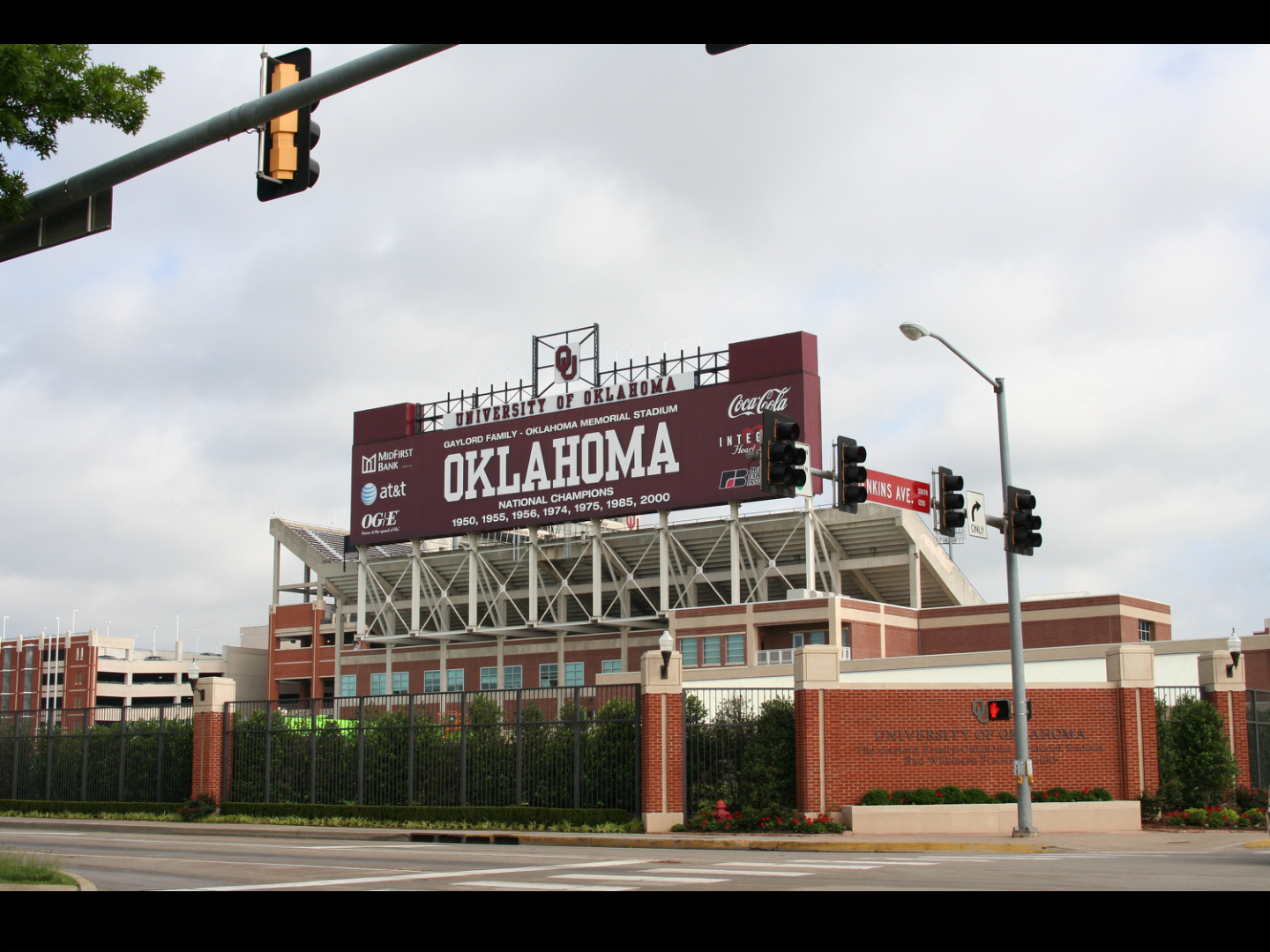
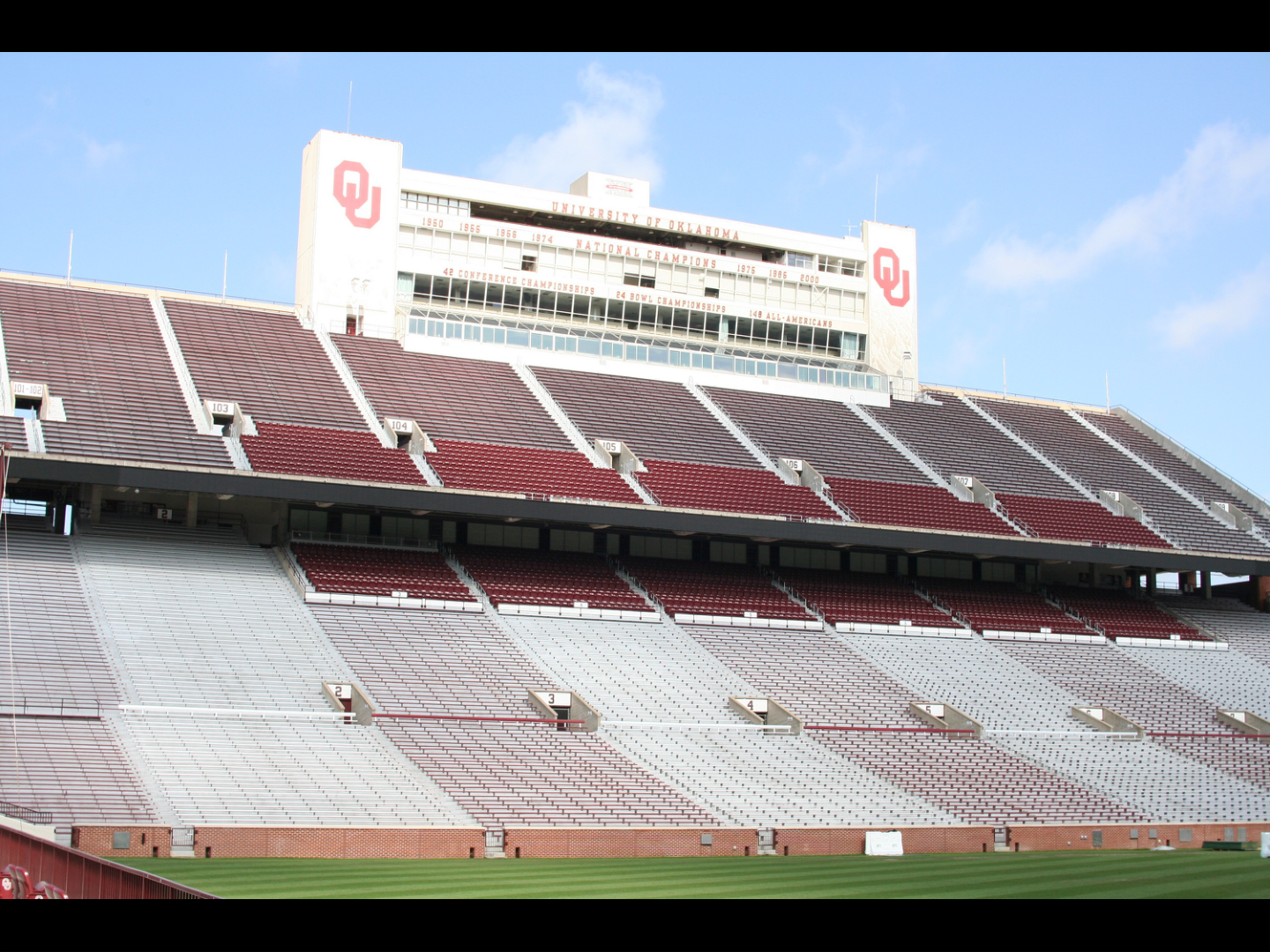
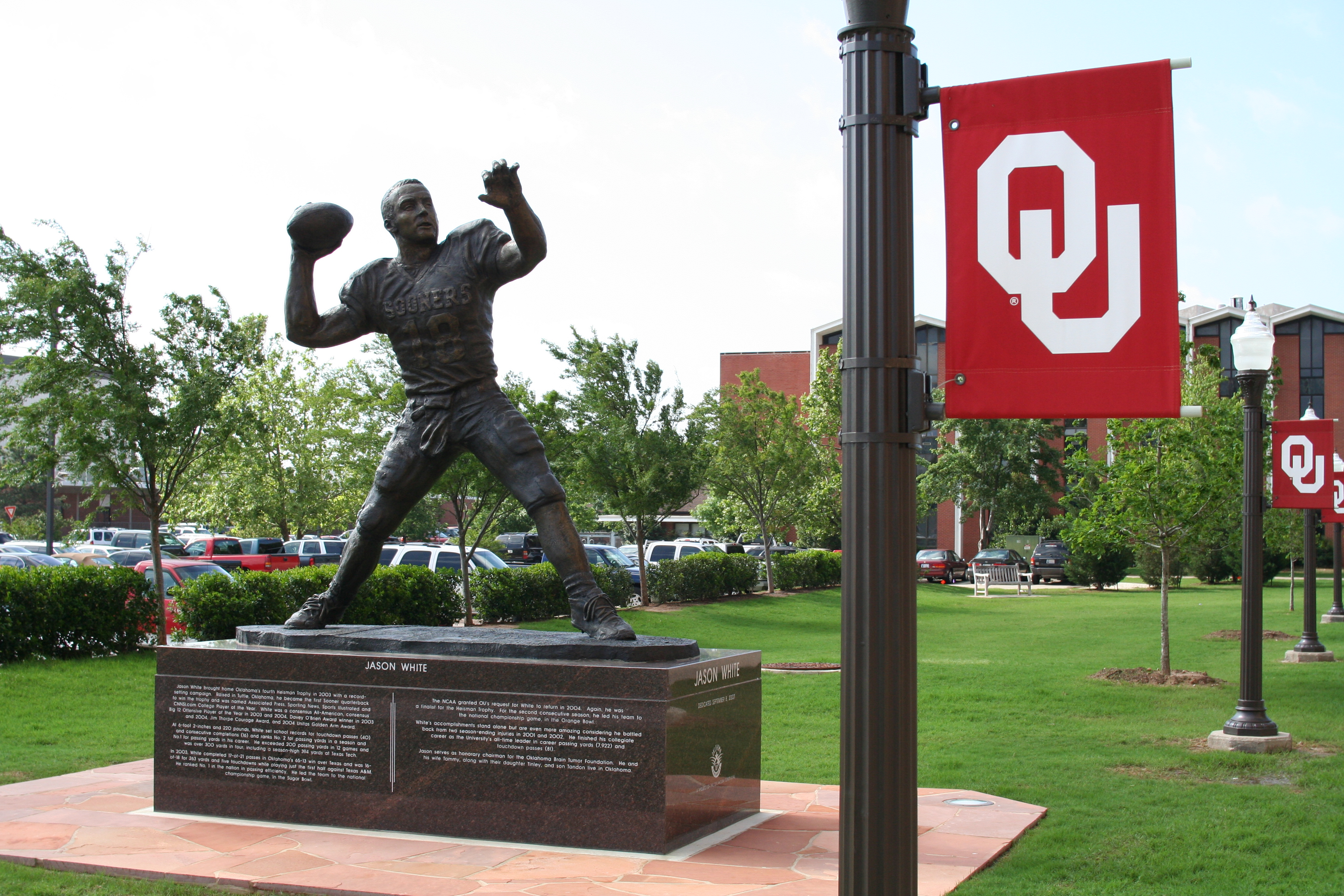
Magazine story implies that the University of Oklahoma football team uses stimulant drugs. More than 60 people, including plaintiff are on the team.
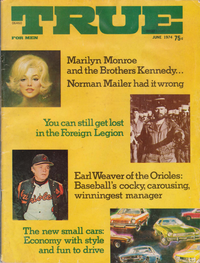
Cover of TRUE magazine, with a yellow and green masthead, photographs, and headlines about Marilyn Monroe, baseball manager Earl Weaver, and automobile safety.
University of Oklahoma campus showing OU flag attached to a light pole
University of Oklahoma football stadium exterior showing giant signage covering the reverse of scoreboard indicating championships, etc.
Interior of OU football stadium in daytime, idle with no persons present, showing a great expanse of seating and media/VIP boxes above

Yes – every member of the Sooners football team was defamed.Fawcett Publications v. Morris (Okla. 1962)

Neiman-Marcus v. Lait

U.S.A. Confidential

Note: While this is a leading case, it involves language and content that is offensive and bigoted.

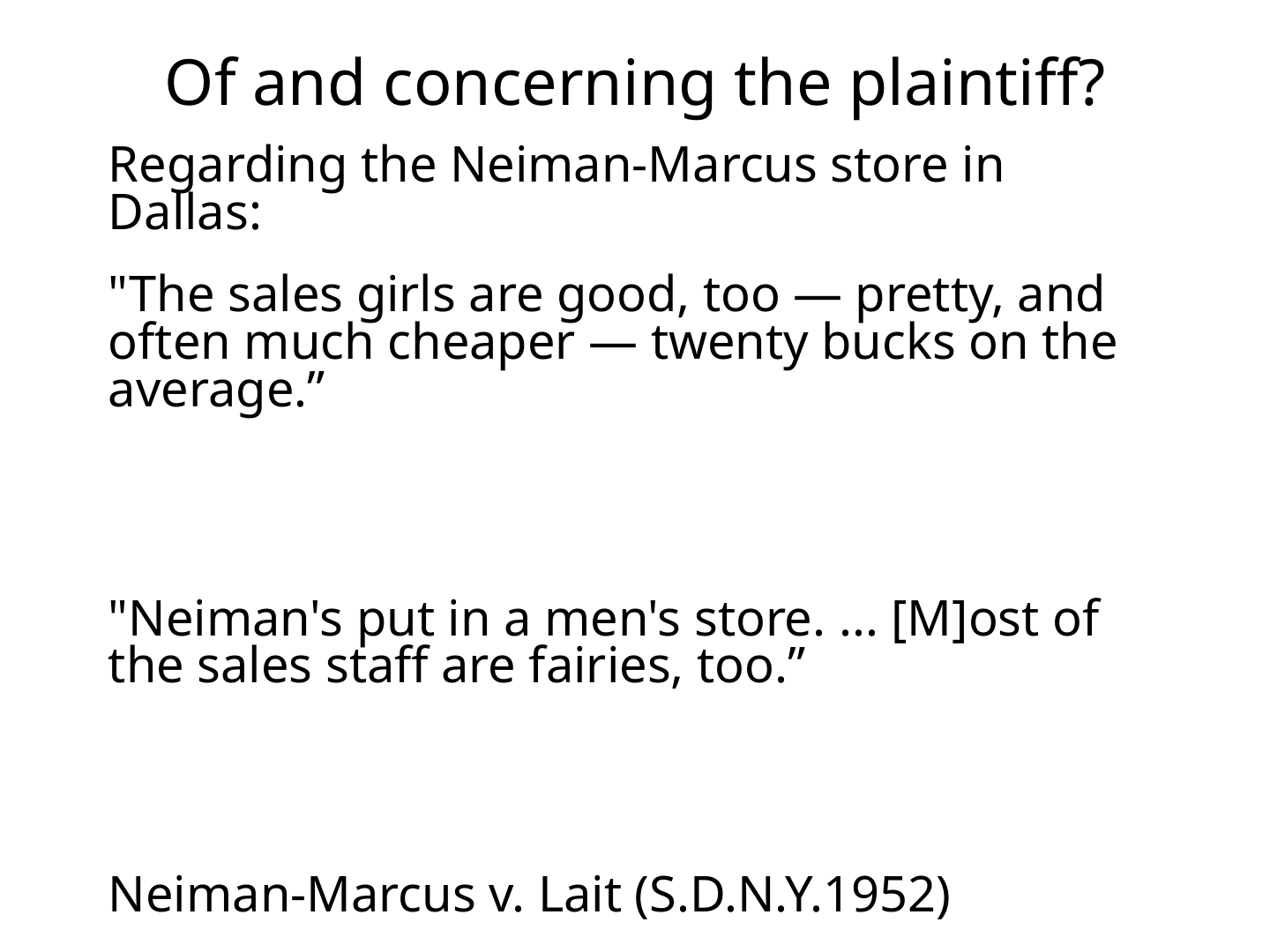
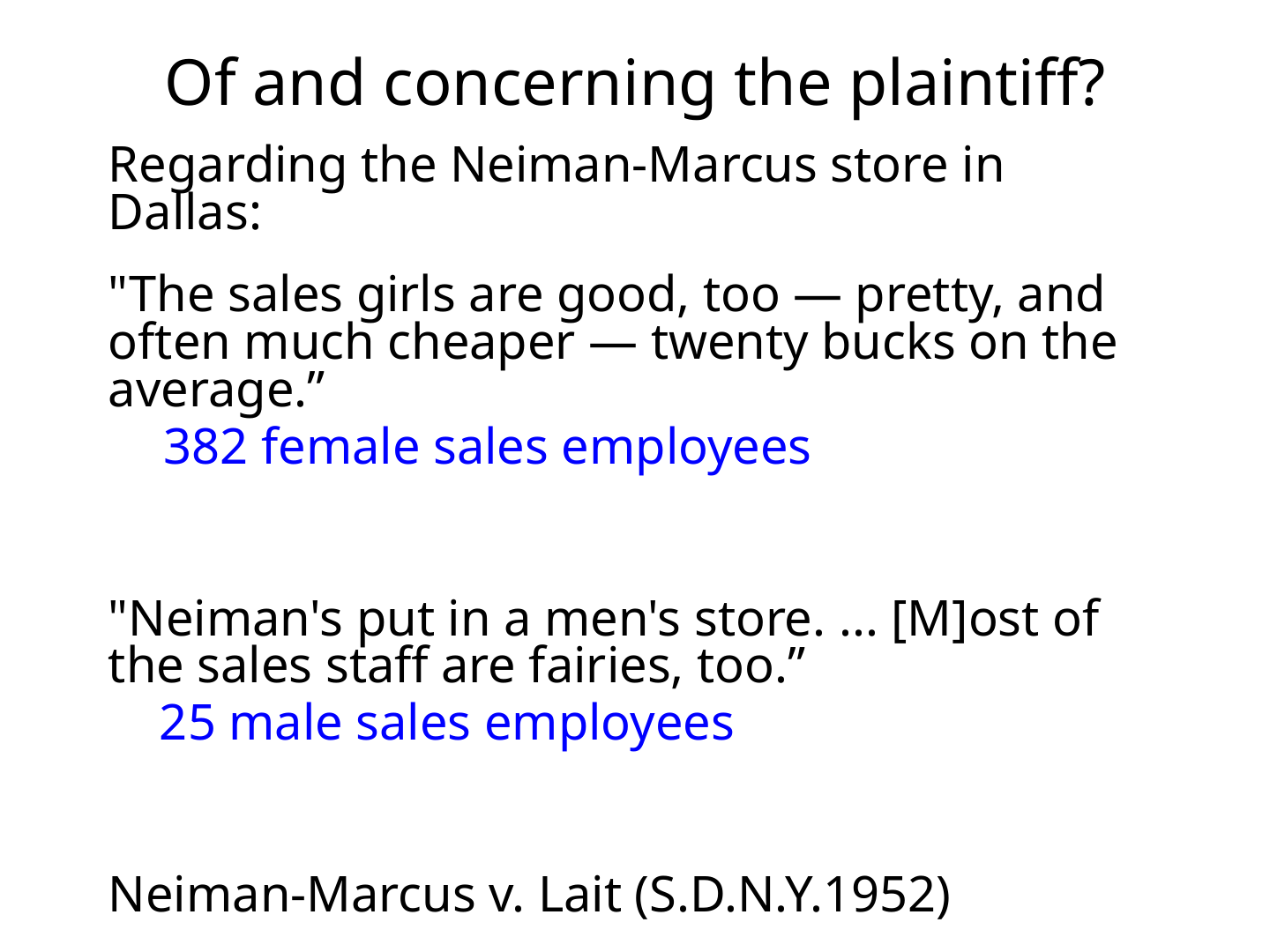
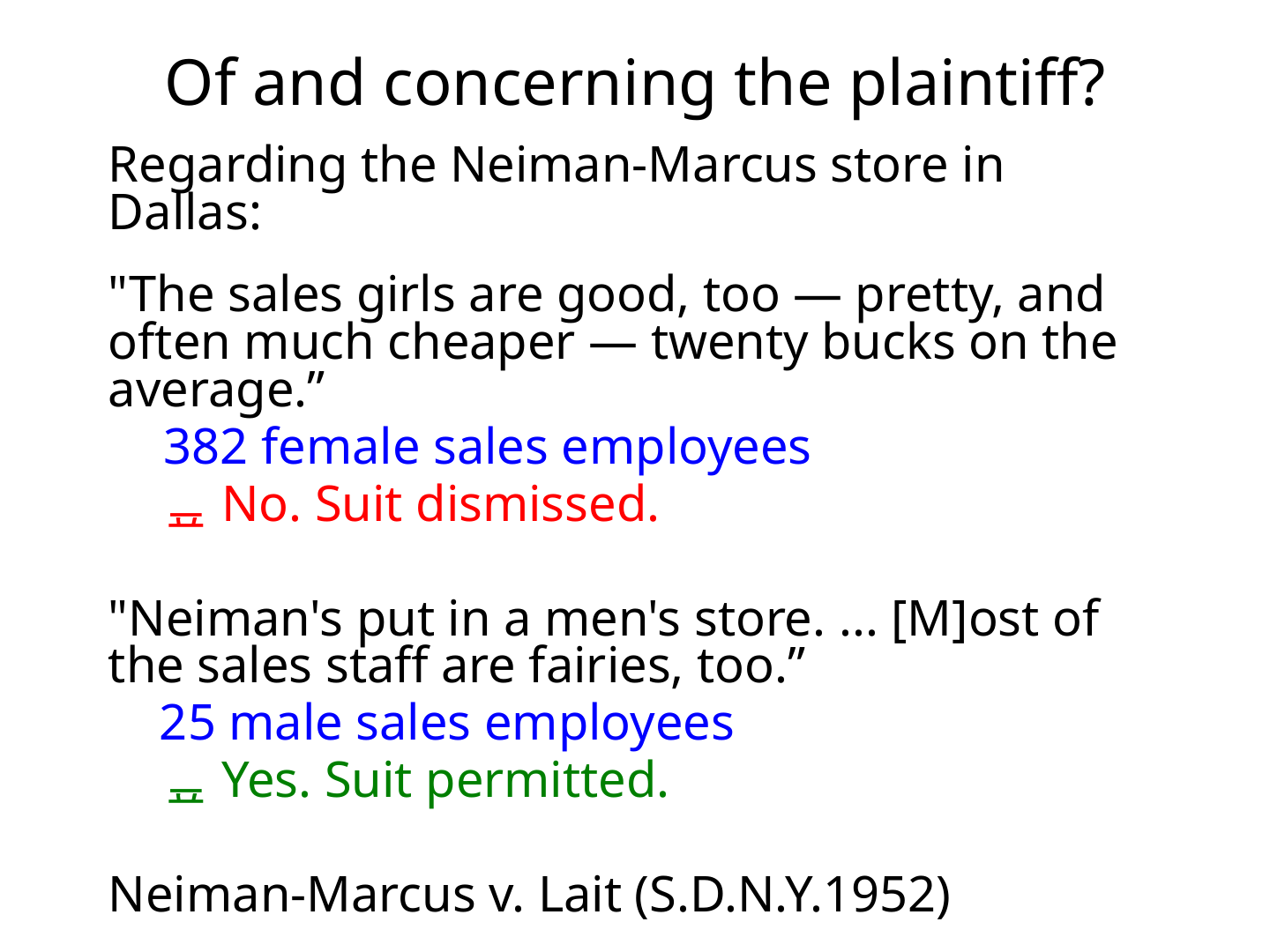
Of and concerning the plaintiff?

  • Regarding the Neiman-Marcus store in Dallas:
  • "The sales girls are good, too — pretty, and often much cheaper — twenty bucks on the average.”
    • 382 female sales employees
    •  No. Suit dismissed.
  • "Neiman's put in a men's store. ... [M]ost of the sales staff are fairies, too.”
    • 25 male sales employees
    •  Yes. Suit permitted.
  • Neiman-Marcus v. Lait (S.D.N.Y.1952)

Stanton v. Metro Corp.

  • Boston Magazine
  • “The Mating Habits of the Suburban Teenager”
Cover of Boston magazine’s 30th-anniversary Best of Boston issue, showing three people posing in formal clothing.

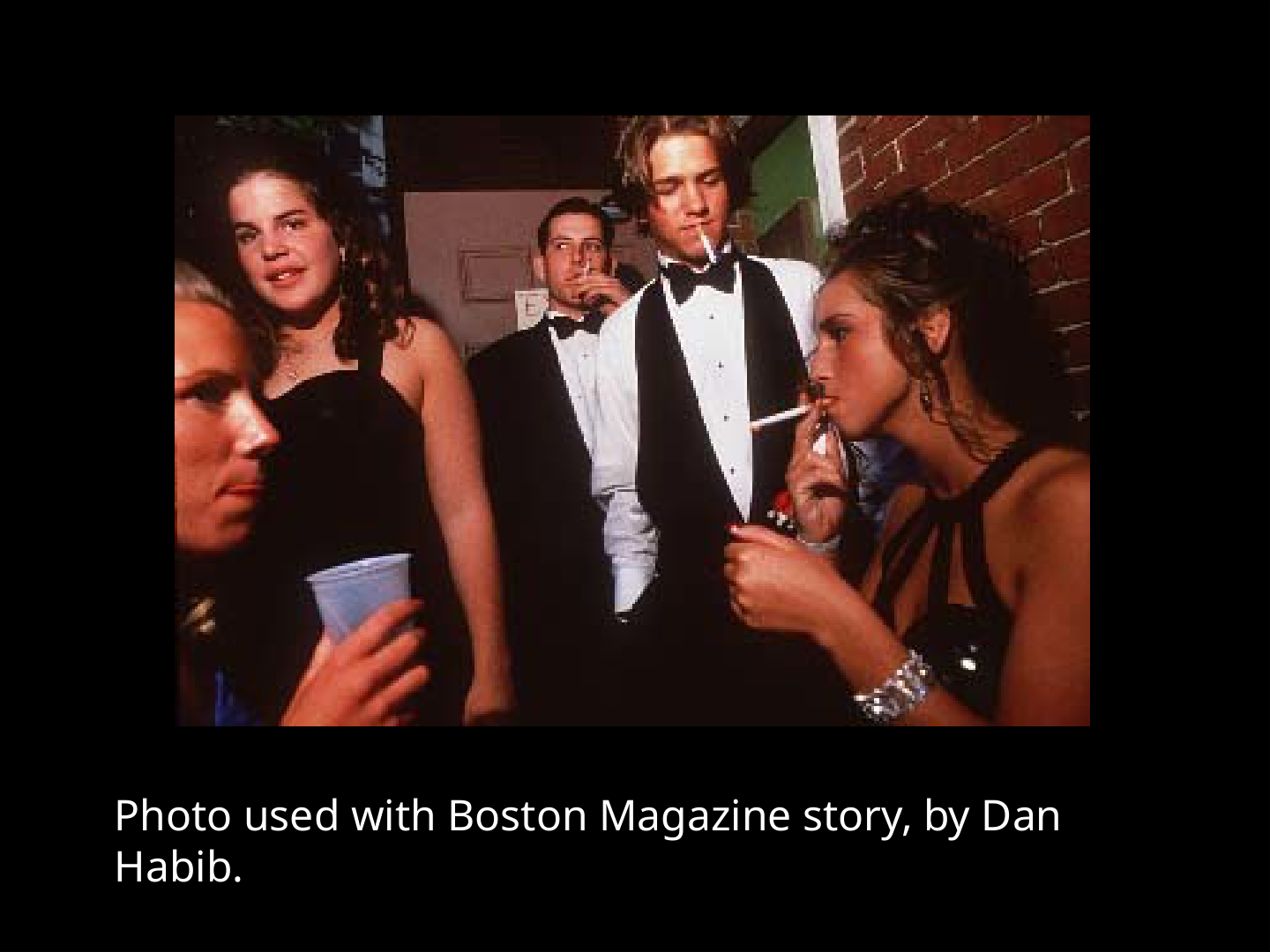
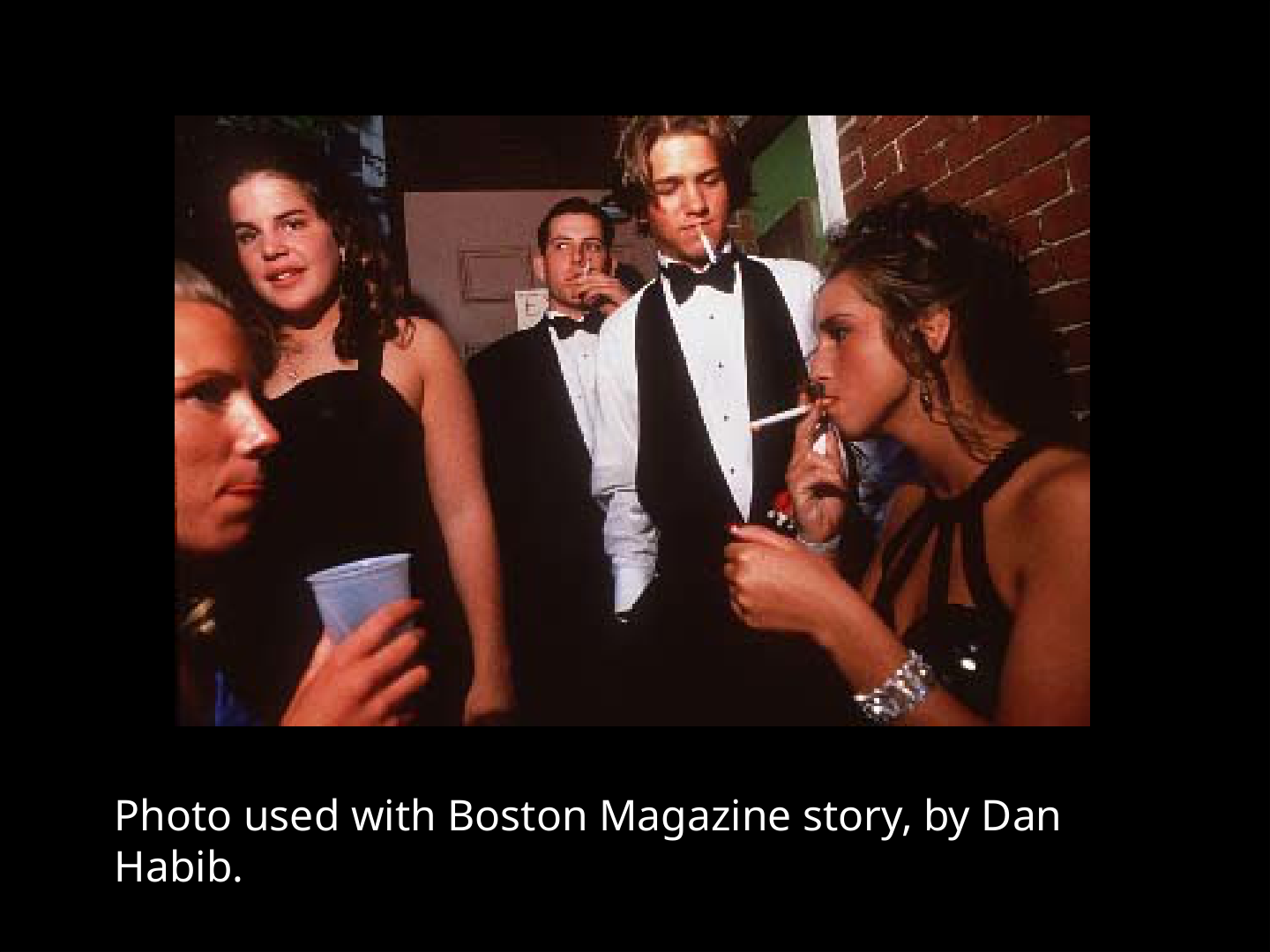
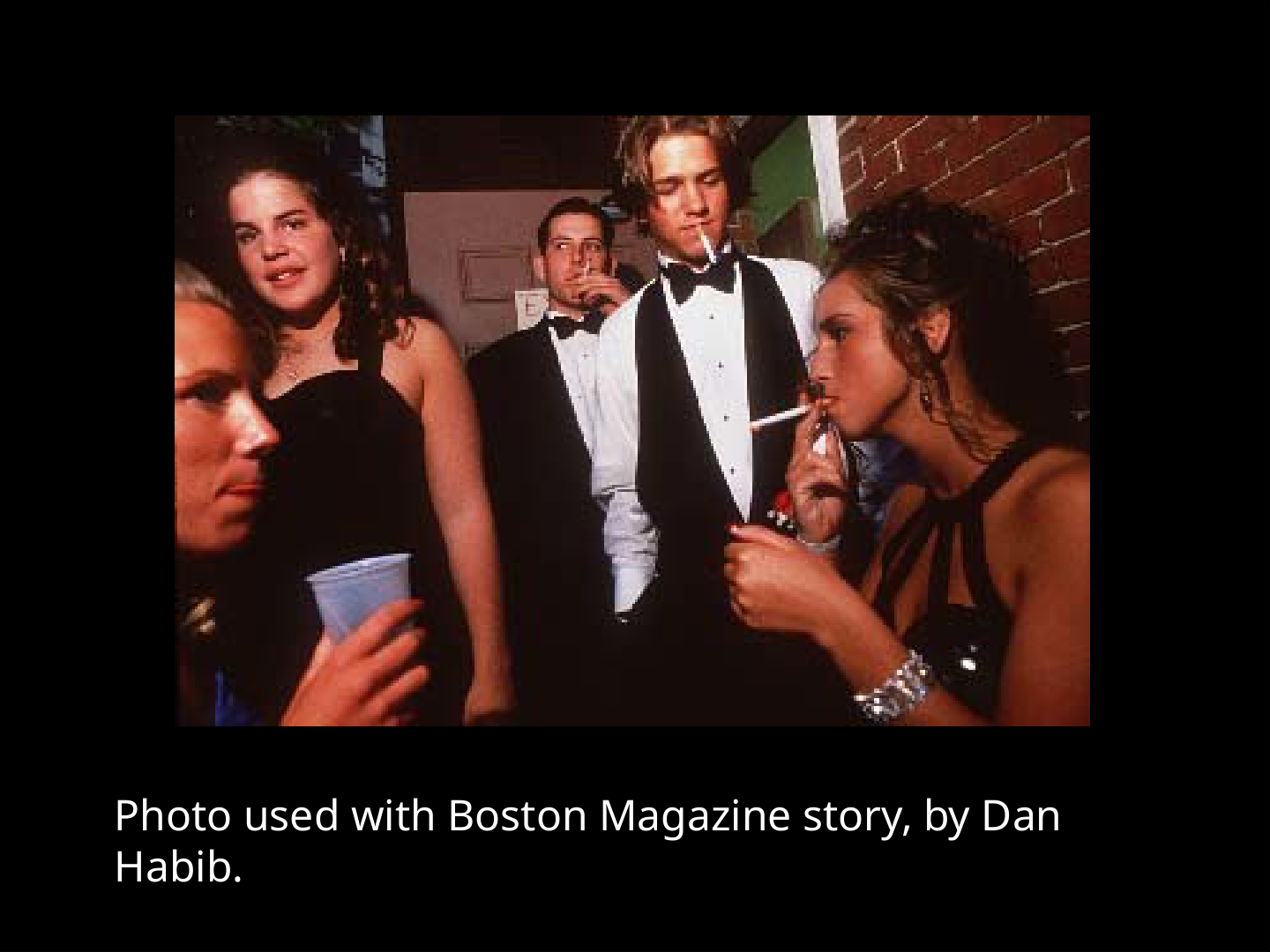
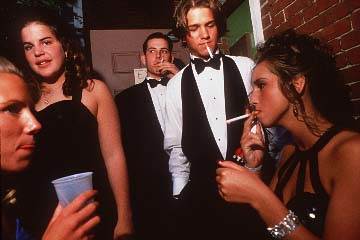
Boston Magazine published “The Mating Habits of the Suburban Teenager,” reporting an increase in teenage casual sex.

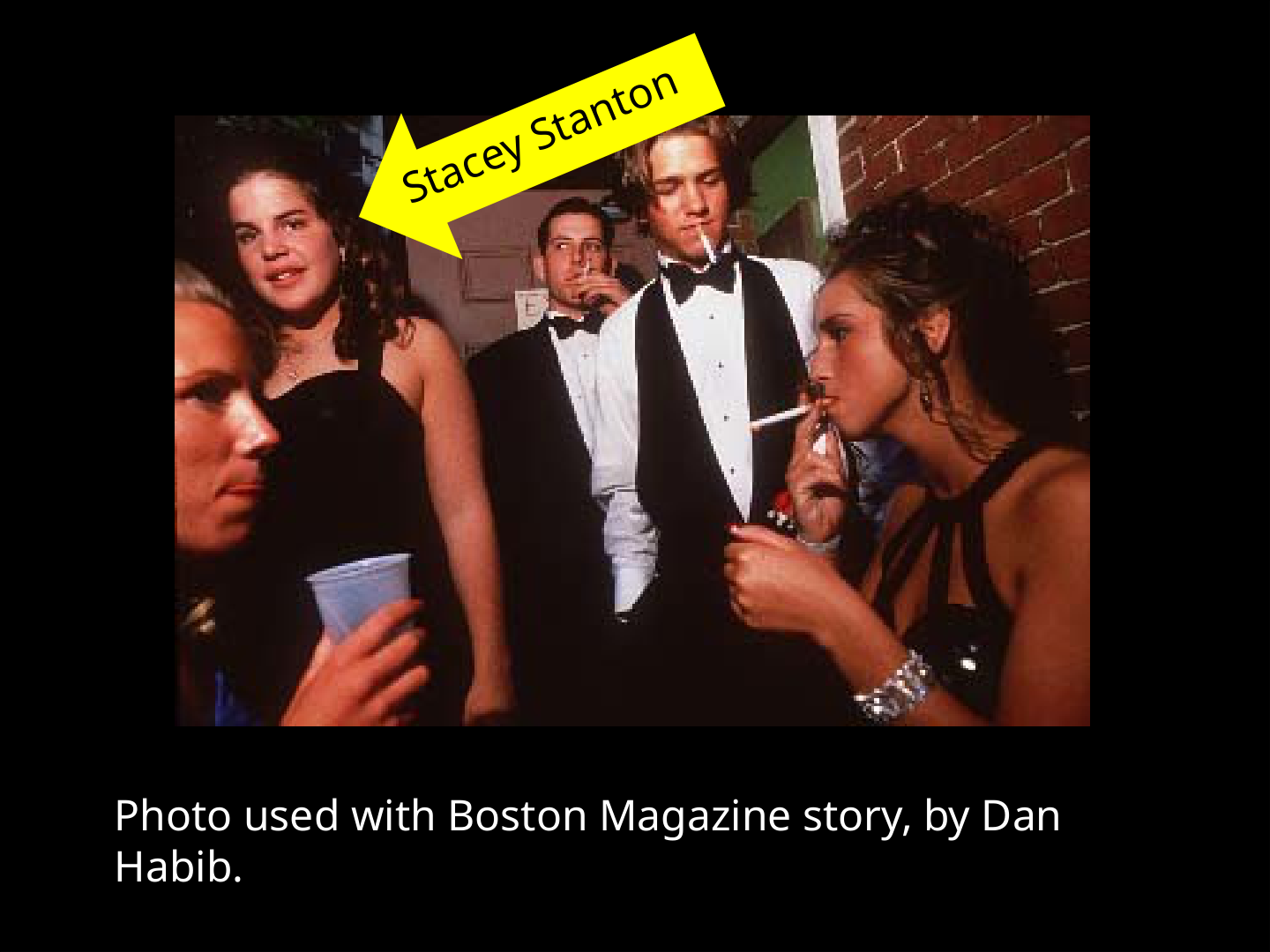
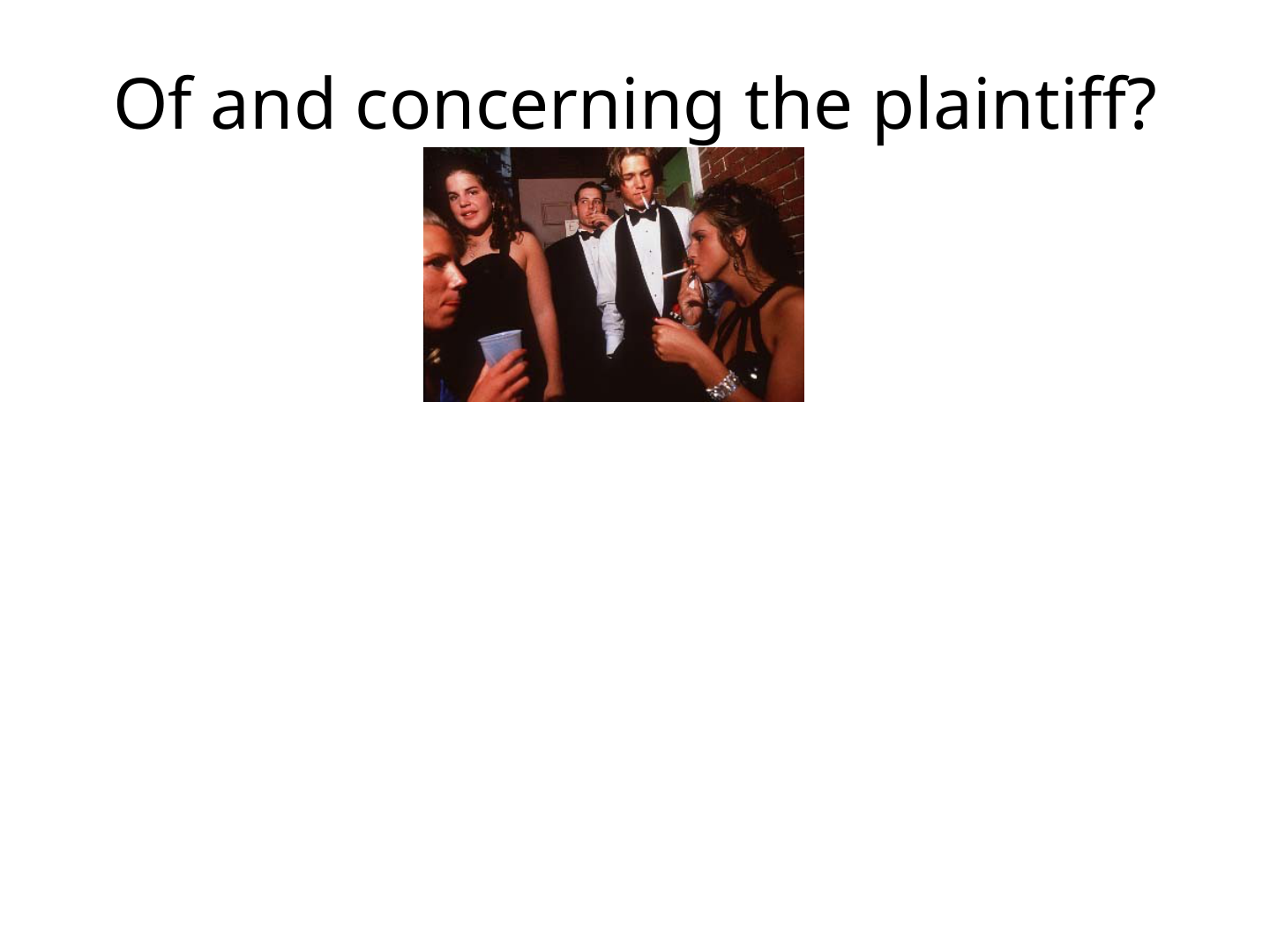
An accompanying photo depicted five students at a high school dance.

Photo used with Boston Magazine story, by Dan Habib.

Photograph published with a Boston magazine story: five teenagers dressed for a formal event, some holding drinks and smoking.

A disclaimer said: “The photos on these pages are from an award-winning five-year project on teen sexuality taken by photojournalist Dan Habib. The individuals pictured are unrelated to the people or events described in this story. The names of the teenagers interviewed for this story have been changed.”

“It's all pretty random. We just get together in small groups of kids and drink a lot and then hook up with whoever.” Christine, a curly-haired pixie in the under-90 weight range, chimes in. “Sometimes we'll hook up for two or three months at a time with one person. But no one really ever goes steady. Dating is just really uncommon. No one wants that kind of responsibility, you know? Most of us just go out and get drunk and whatever — hook up at someone's house.”– from the article

Stacey Stanton

Photo used with Boston Magazine story, by Dan Habib.

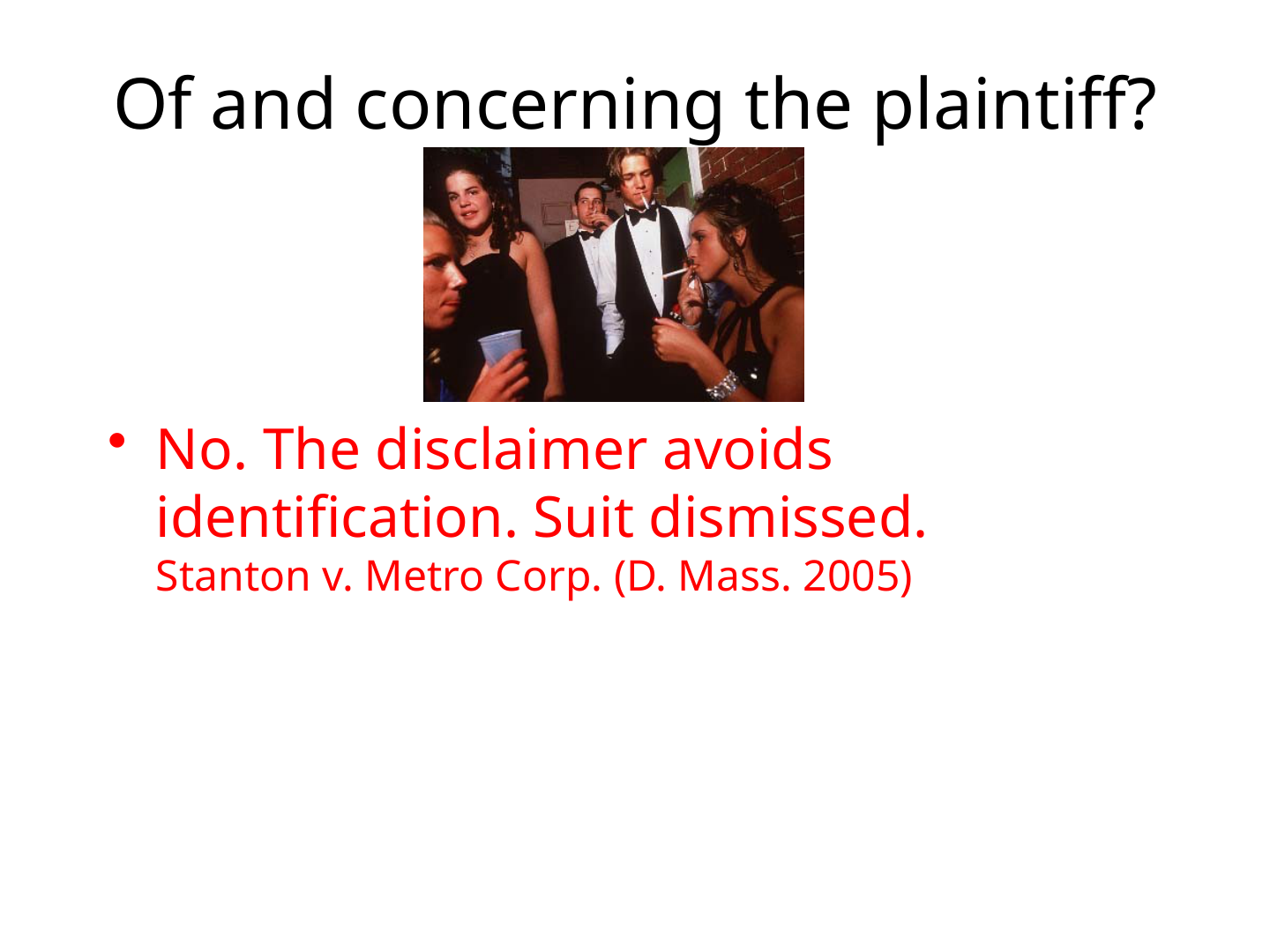
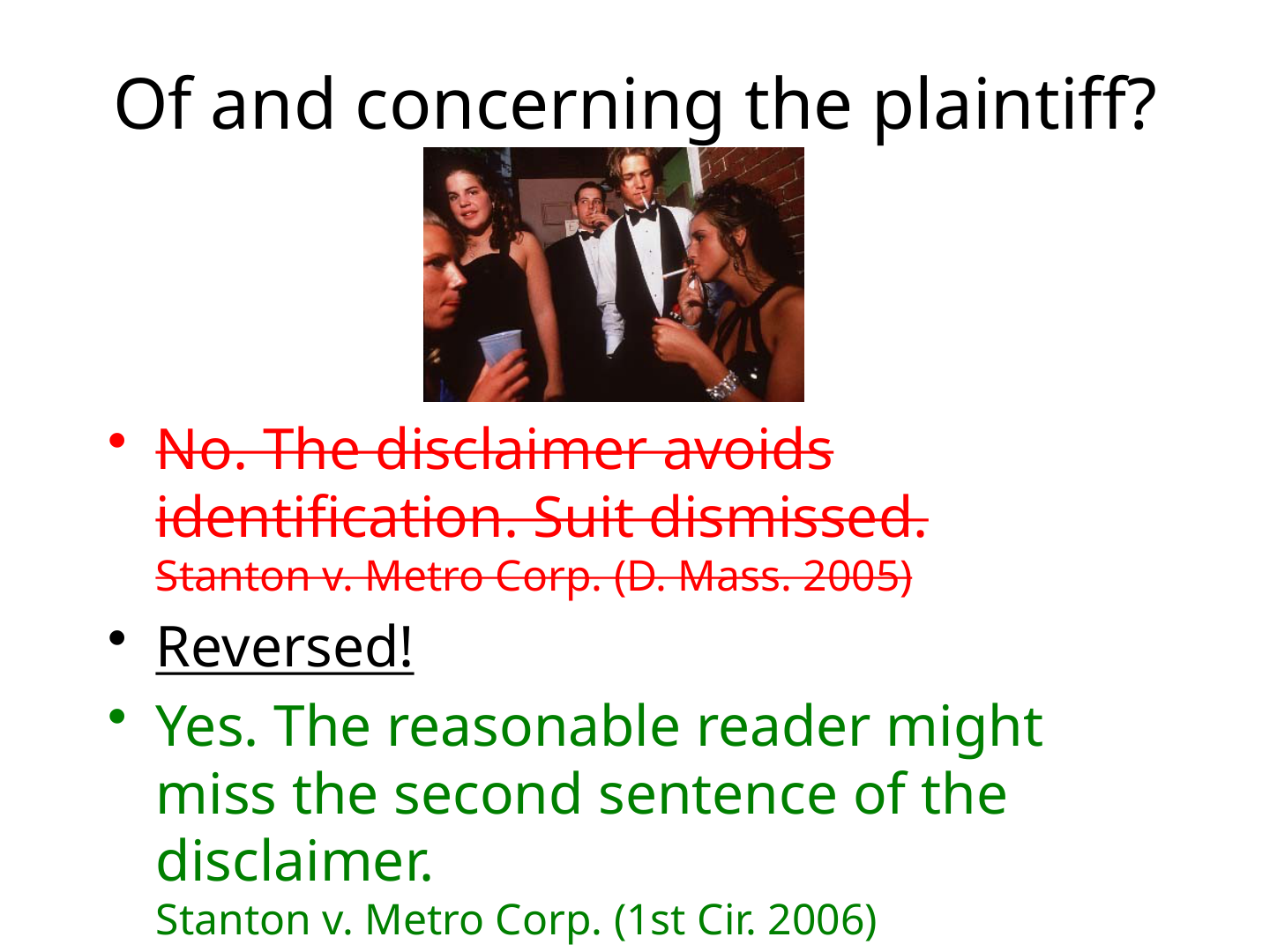
Of and concerning the plaintiff?

No. The disclaimer avoids identification. Suit dismissed.Stanton v. Metro Corp. (D. Mass. 2005)

  • Reversed!
  • Yes. The reasonable reader might miss the second sentence of the disclaimer.Stanton v. Metro Corp. (1st Cir. 2006)
Publication

Publication

Communication to one third party is all that is necessary.

That's all there is to the rule, you just have to believe it!

Quick Quiz!

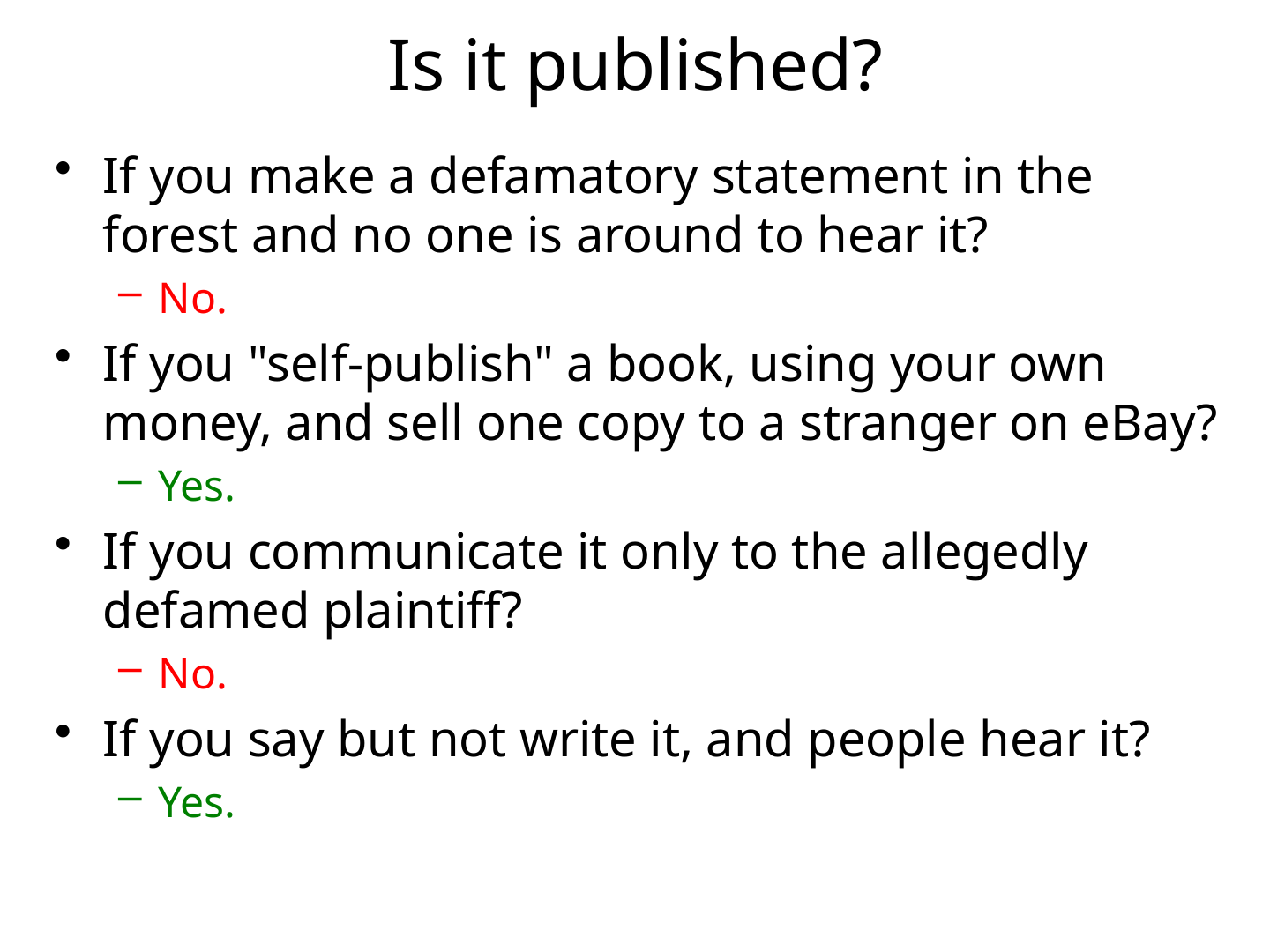
Is it published?

If you make a defamatory statement in the forest and no one is around to hear it?

    • No.

If you "self-publish" a book, using your own money, and sell one copy to a stranger on eBay?

    • Yes.

If you communicate it only to the allegedly defamed plaintiff?

If you say but not write it, and people hear it?

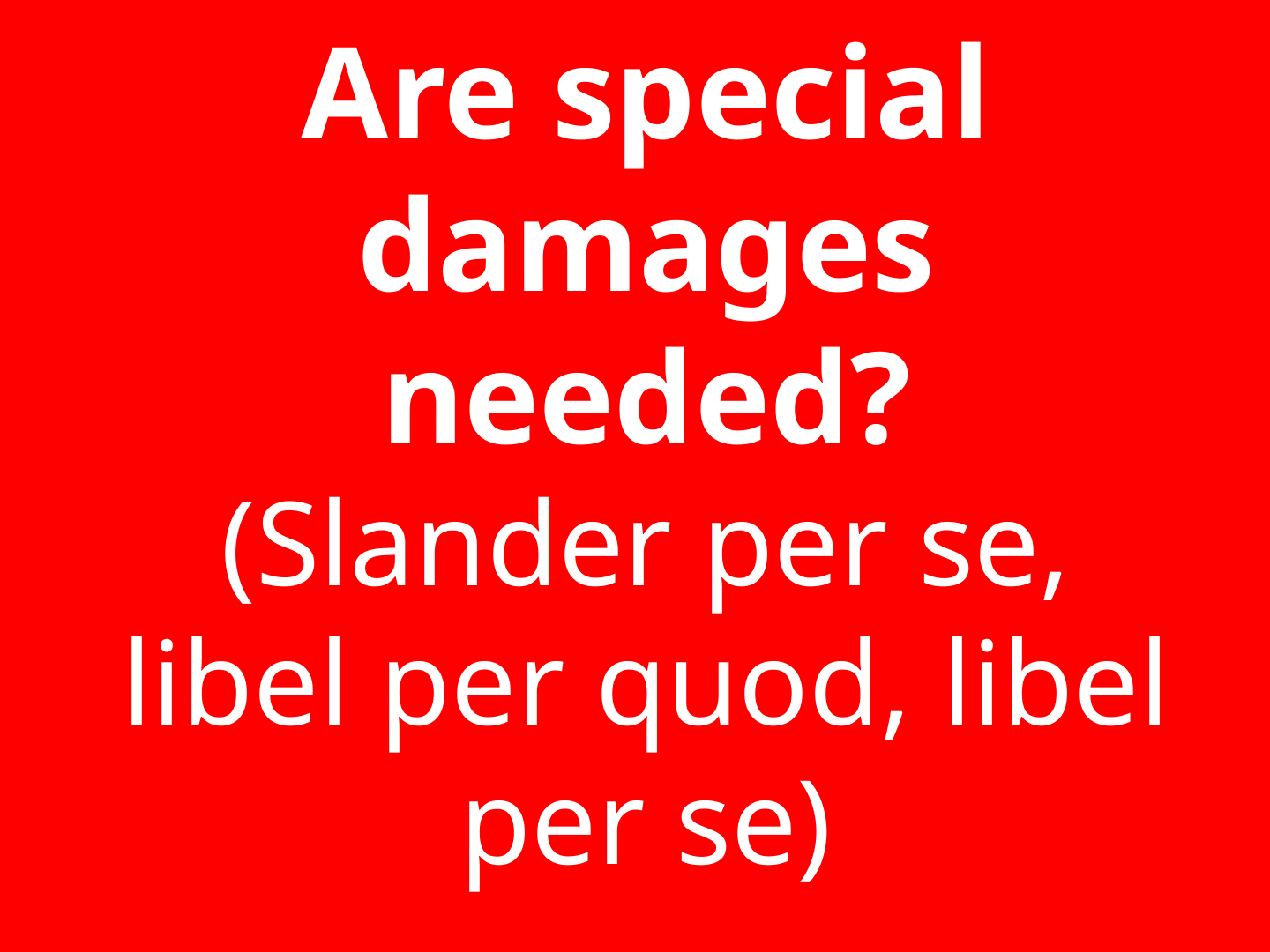
Are special damages needed?
(Slander per se, libel per quod, libel per se)
aka:
“extra condition”
analysis

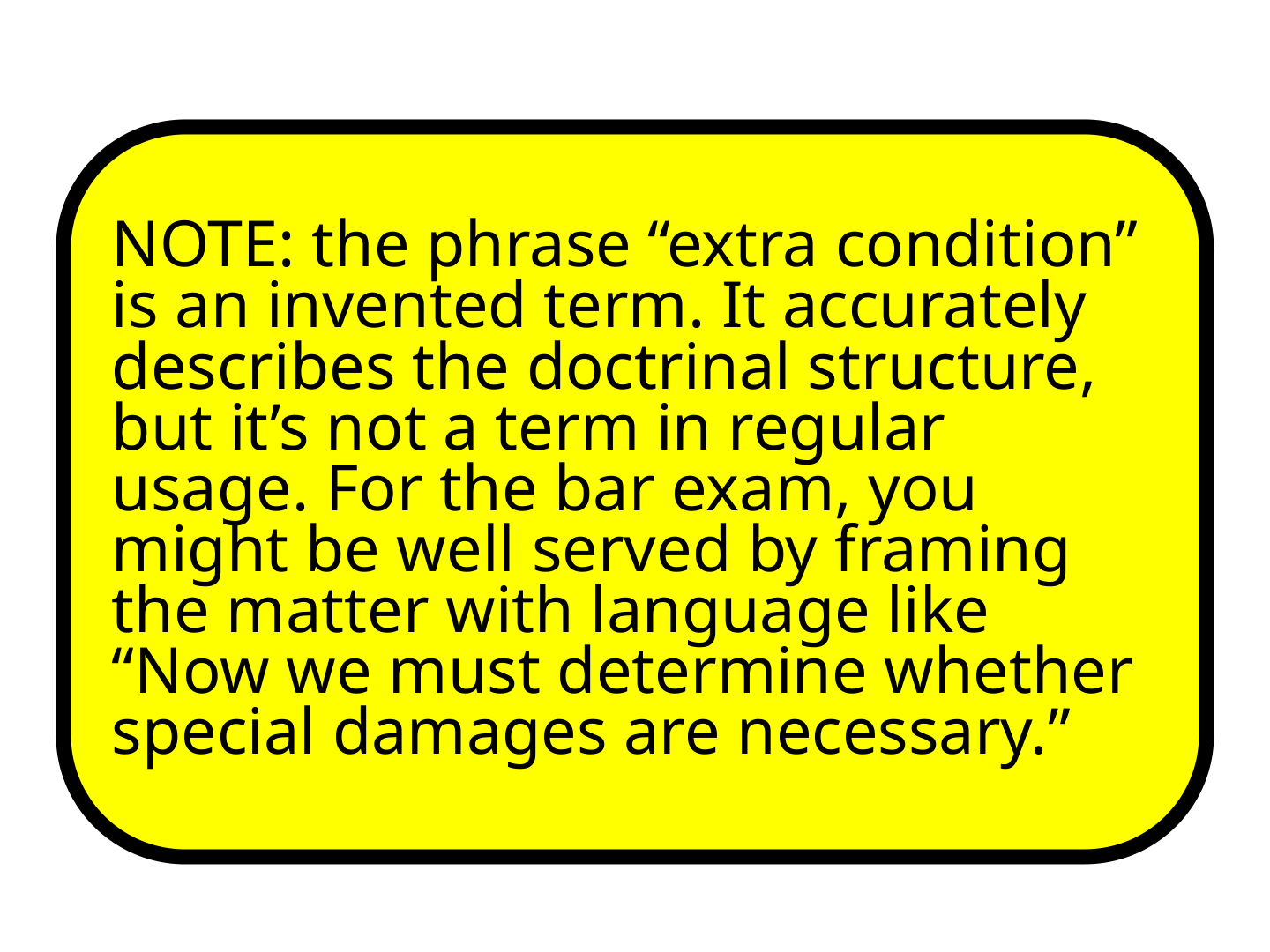
NOTE: the phrase “extra condition” is an invented term. It accurately describes the doctrinal structure, but it’s not a term in regular usage. For the bar exam, you might be well served by framing the matter with language like “Now we must determine whether special damages are necessary.”


  • NOTE:
  • This slideshow contains some statements about law in particular states. These are examples meant to illustrate trends or diversity among jurisdictions. But I don’t constantly cite-check this slideshow, so it’s possible state-specific statements are out of date because of overruling cases, superseding statutes, or repeal.

Libel vs. Slander

  • It’s all “defamation.”
  • Why does it matter whether it is “libel” or “slander”?
    • It’s the first step in the analysis to see if there is an extra element of special damages that is required as part of the prima facie case.
  • The distinction between libel and slander differs among jurisdictions.
  • A generalization:
    • slander is an oral utterance
    • libel is a more permanent expression, such a writing, illustration, or photo
  • Another generalization:
    • sound  slander
    • sight  libel
  • Here’s a good question:
  • A message written in sand on the beach – is that libel or slander?
beach
beach
Beach with "You have a loathesome disease" lettered across the sand
  • Here’s a close question that actually matters:
  • Radio or TV broadcasting – is that libel or slander?

Jurisdictions vary.

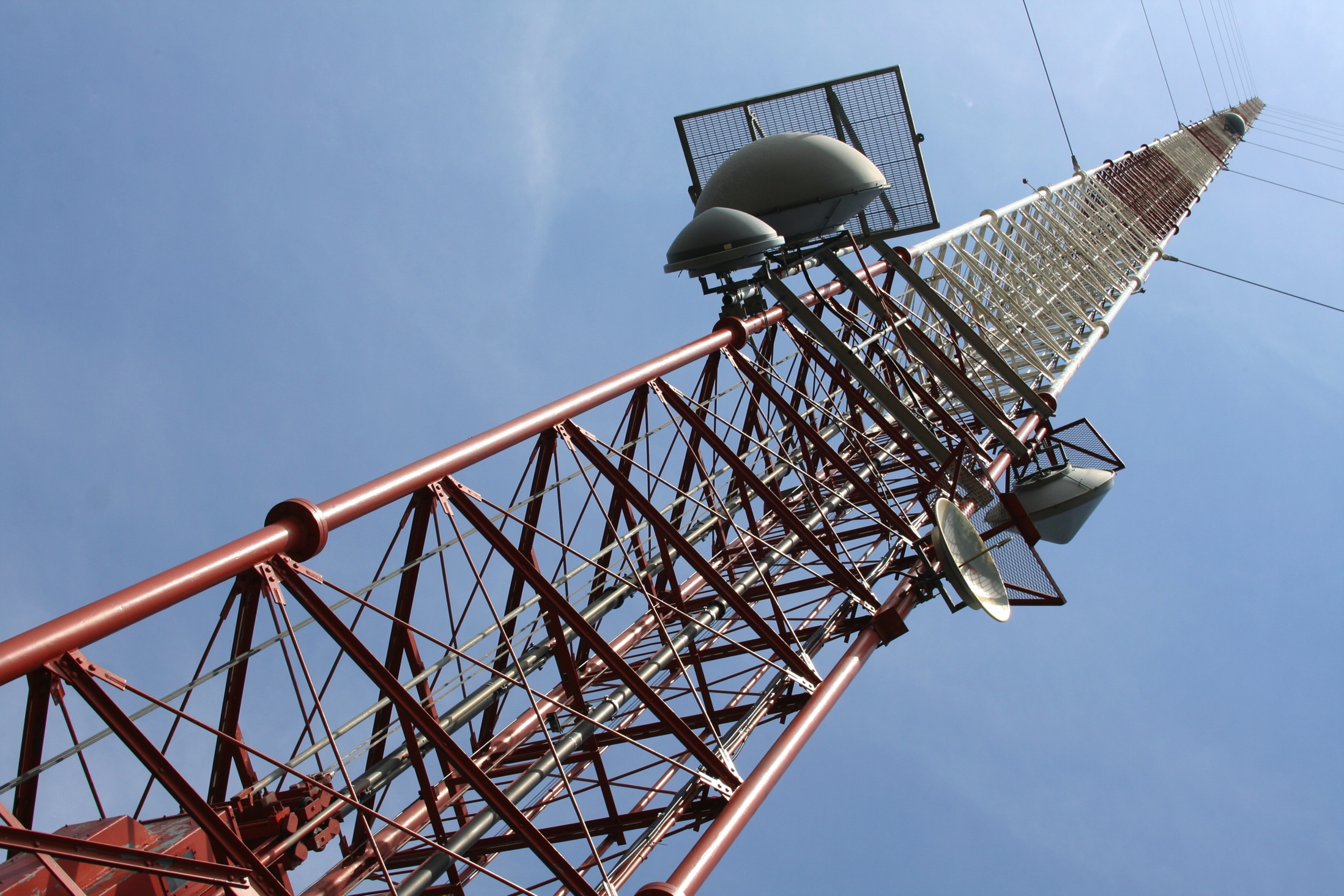
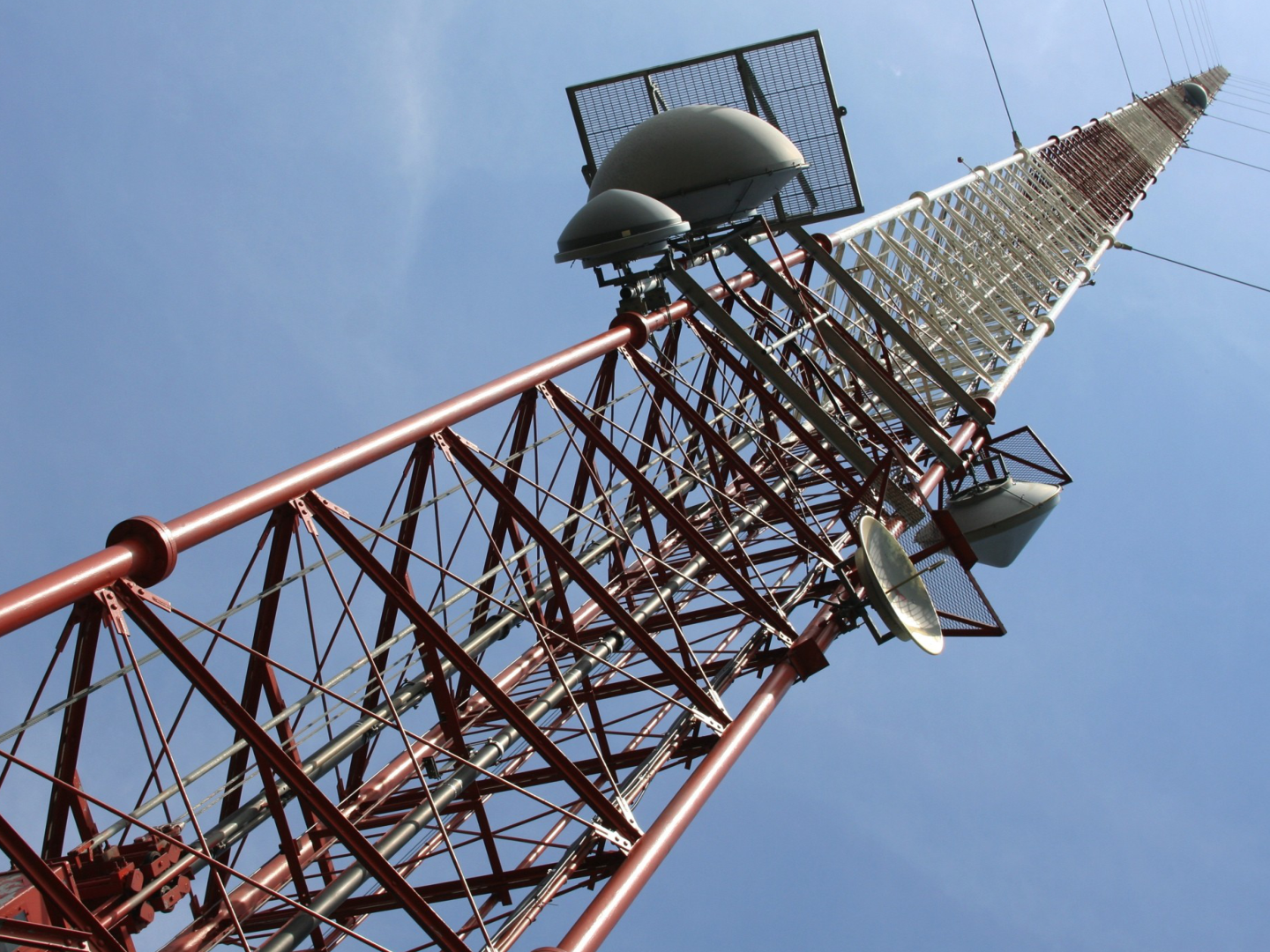
Photo looking up a broadcast transmitter tower at a steep angle from the base
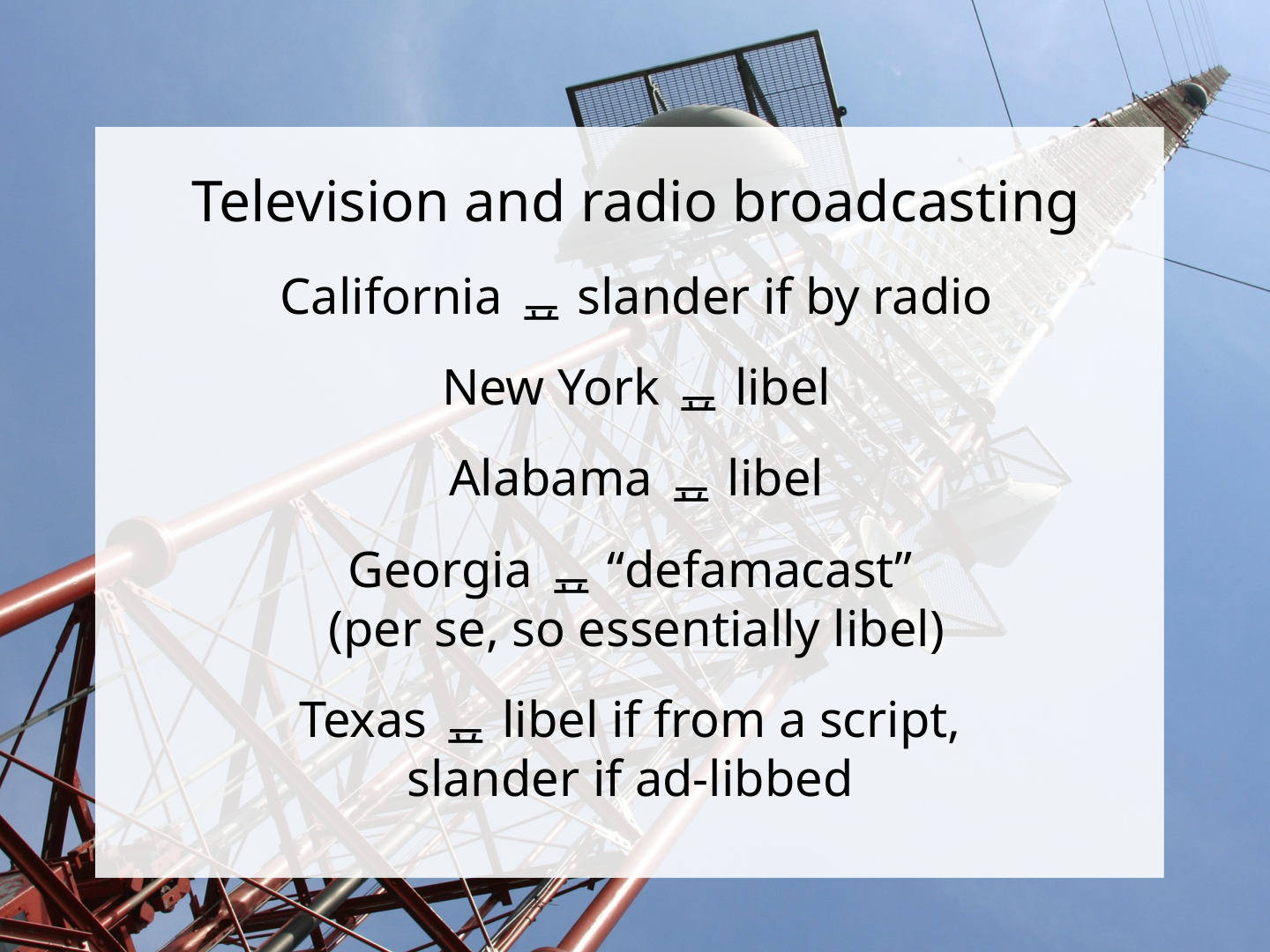
  • Television and radio broadcasting
  • California  slander if by radio
  • New York  libel
  • Alabama  libel
  • Georgia  “defamacast” (per se, so essentially libel)
  • Texas  libel if from a script, slander if ad-libbed 
  • Here’s another close question that actually matters:
  • Something posted on the internet – is that libel or slander?

Libel in some places; unanswered other places.

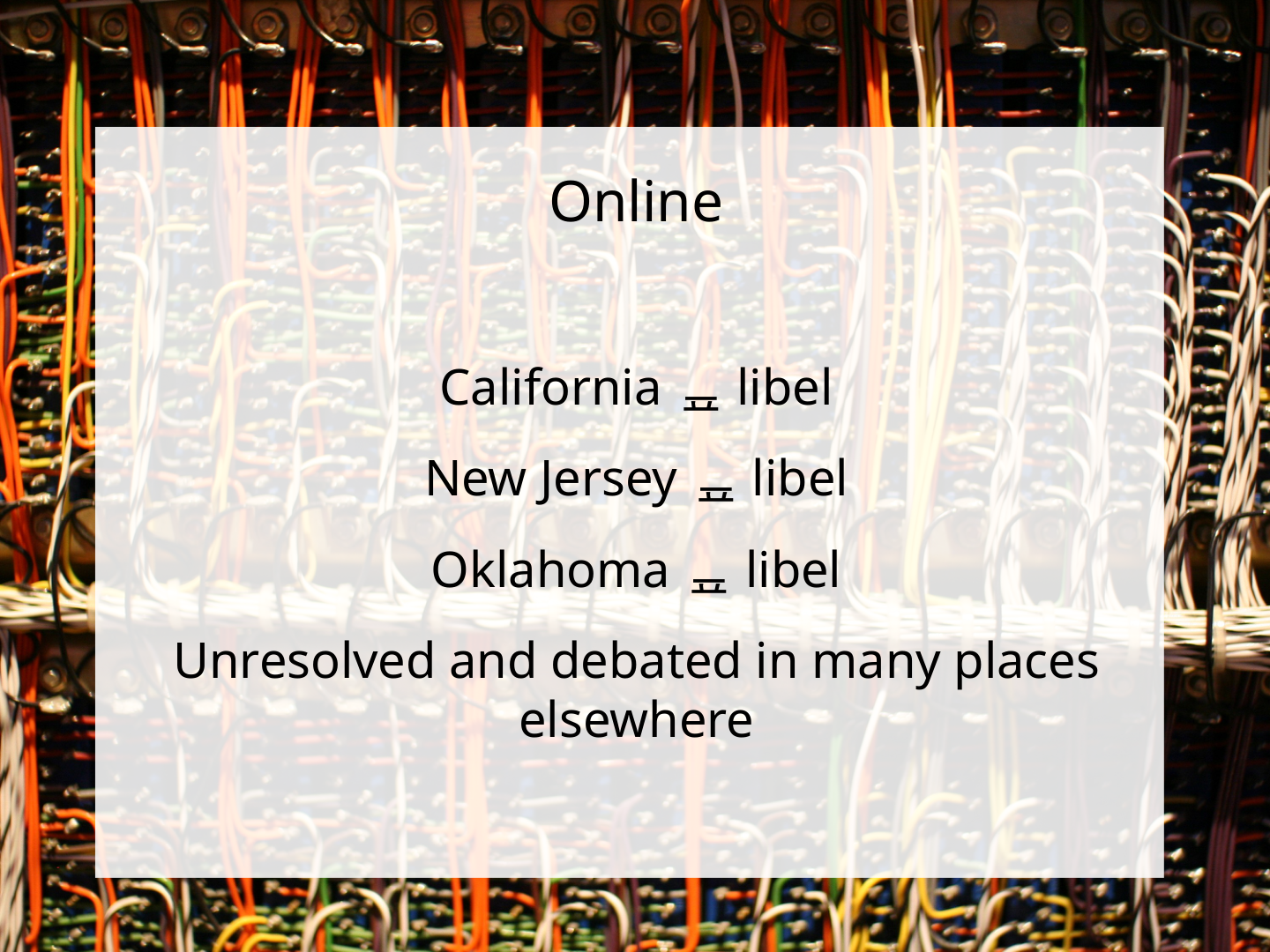
Online
California  libel
New Jersey  libel
Oklahoma  libel
Unresolved and debated in many places elsewhere

Intricate pattern of wiring inside a computer

Libel vs. Slander

  • No distinction between the two in some states:
  • Illinois
  • Louisiana
  • Virginia

Per se categories

Re-run

  • adverse to one’s profession or business
  • loathsome disease
  • guilt of crime involving moral turpitude
  • lack of chastity

Some examples of crimes that have been considered to be “of moral turpitude”

Re-run

  • murder
  • voluntary manslaughter
  • theft offenses
  • forgery
  • kidnapping
  • mayhem
  • rape
  • fraud
  • spousal abuse
  • child abuse
  • driving under the influence

Lack of chastity

Re-run

  • Chastity is:
    • If unmarried, abstinence from sex
    • If married, abstinence from sex outside of the marriage
  • Historically, this doctrine was explicitly gender-based, grounded in societal norms about separate roles of women and men, and thus applied only to female plaintiffs.
  • Modern courts have tended to include male plaintiffs.
Falsity and Substantial Truth

Falsity & Substantial Truth

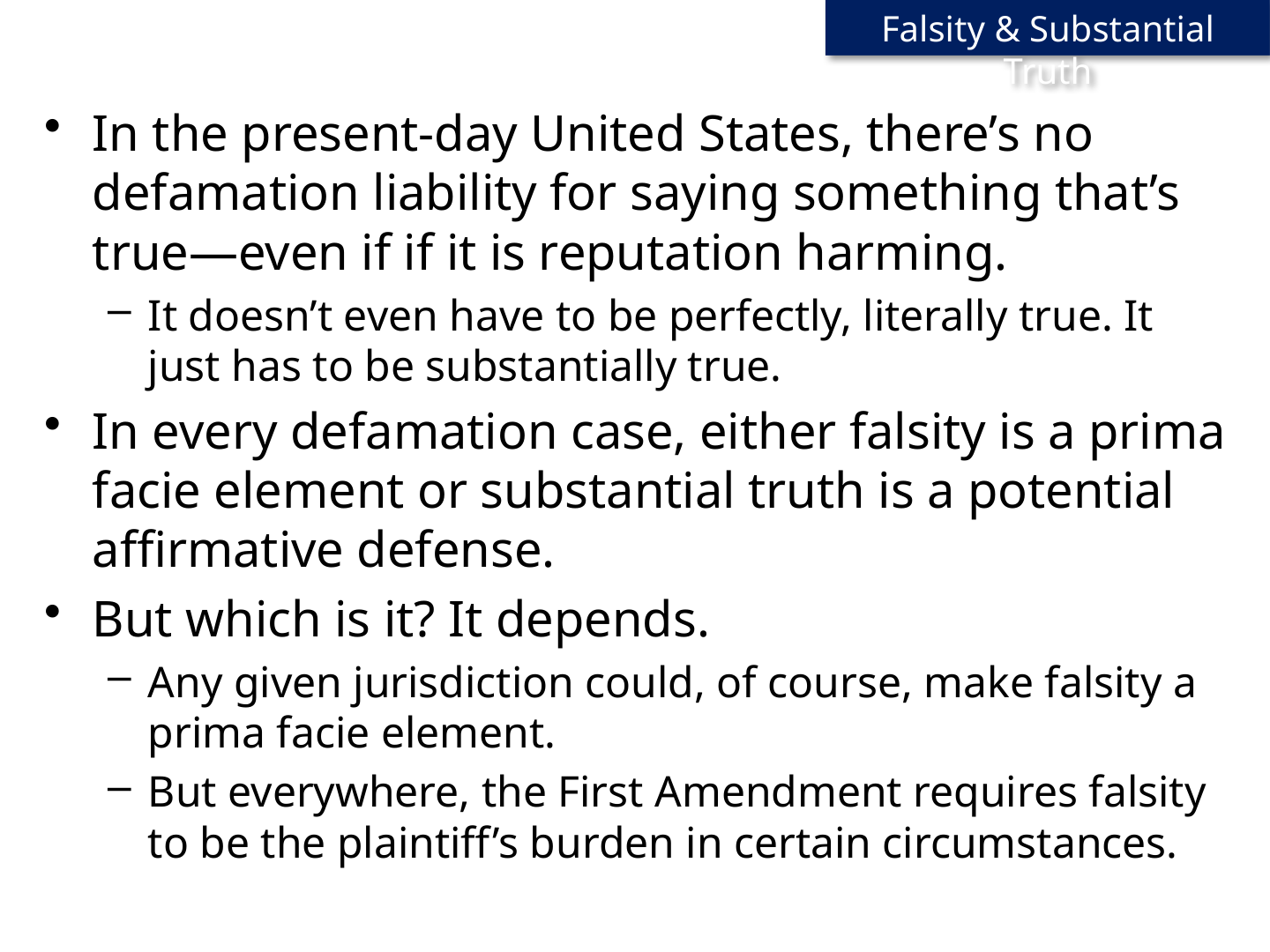
  • In the present-day United States, there’s no defamation liability for saying something that’s true—even if if it is reputation harming.
    • It doesn’t even have to be perfectly, literally true. It just has to be substantially true.
  • In every defamation case, either falsity is a prima facie element or substantial truth is a potential affirmative defense.
  • But which is it? It depends.
    • Any given jurisdiction could, of course, make falsity a prima facie element.
    • But everywhere, the First Amendment requires falsity to be the plaintiff’s burden in certain circumstances.

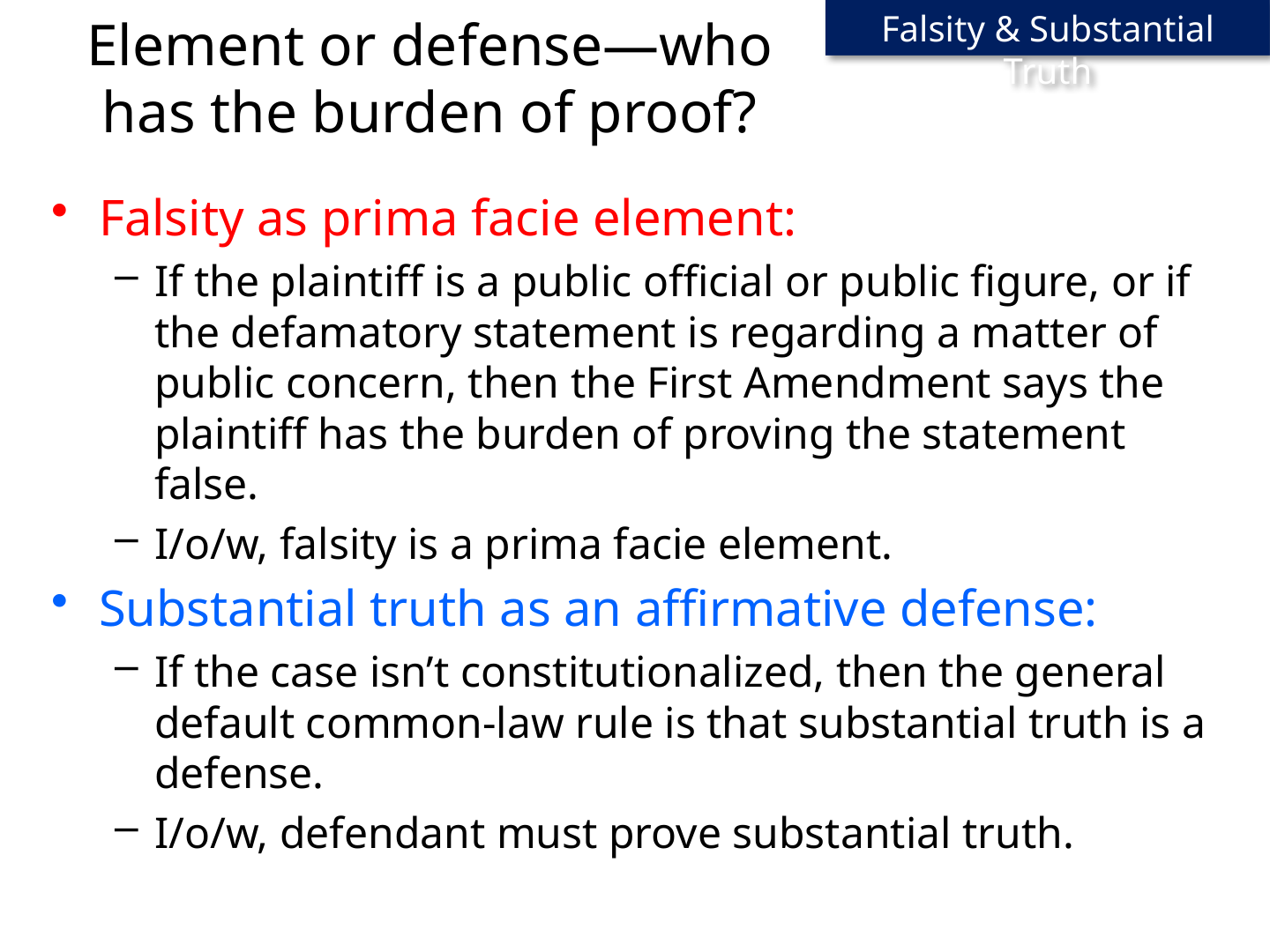
Element or defense—who has the burden of proof?

  • Falsity as prima facie element:
    • If the plaintiff is a public official or public figure, or if the defamatory statement is regarding a matter of public concern, then the First Amendment says the plaintiff has the burden of proving the statement false.
    • I/o/w, falsity is a prima facie element.
  • Substantial truth as an affirmative defense:
    • If the case isn’t constitutionalized, then the general default common-law rule is that substantial truth is a defense.
    • I/o/w, defendant must prove substantial truth.

Quotations

Falsity & Substantial Truth

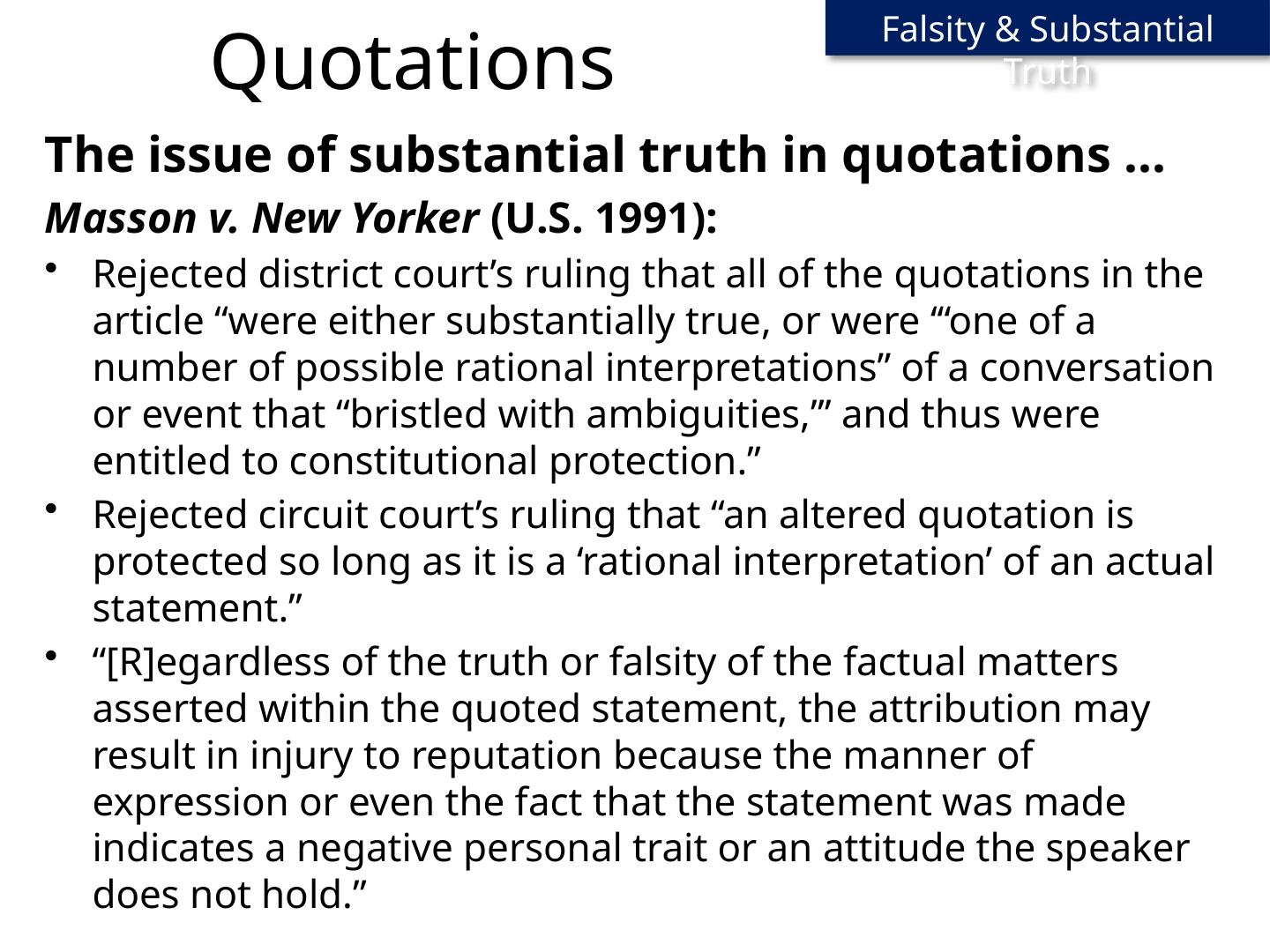
  • The issue of substantial truth in quotations ...
  • Masson v. New Yorker (U.S. 1991):
  • Rejected district court’s ruling that all of the quotations in the article “were either substantially true, or were ‘“one of a number of possible rational interpretations” of a conversation or event that “bristled with ambiguities,”’ and thus were entitled to constitutional protection.”
  • Rejected circuit court’s ruling that “an altered quotation is protected so long as it is a ‘rational interpretation’ of an actual statement.”
  • “[R]egardless of the truth or falsity of the factual matters asserted within the quoted statement, the attribution may result in injury to reputation because the manner of expression or even the fact that the statement was made indicates a negative personal trait or an attitude the speaker does not hold.”

“substantial”

Falsity & Substantial Truth

  • What’s not true but is “substantially true”?
  • If the published statement carries the same sting as the exact truth, then, in general, it will be considered “substantially true.”
  • Ex: “Priya stole a car on Tuesday” is substantially true if Priya stole the car on Monday.
  • Ex: “Phineas robbed the First National Bank of Kanbraska” is substantially true if Phineas robbed the Kanbraska Farmer’s Bank & Trust.
    • (Although if that makes people think Phineas robbed two banks instead of one, then maybe Phineas will succeed in arguing that the sting is greater.)

Literal truths with embedded falsehoods

Falsity & Substantial Truth

  • A literally true statement that carries within it a falsehood can be actionable.
  • I/o/w, wrapping a defamatory falsehood in a truth does not avoid liability.
  • Ex: “Our newspaper was planning on printing a front-page story about how Paulo embezzled funds from his church, but at the last minute the editor pulled it.”
    • If Paulo didn’t embezzle, then this can be actionable, even if it is literally true that that the newspaper planned to do this.
Defenses

About republication …

  • Repeating a defamatory communication (“republication”) ordinarily constitutes publication for defamation purposes.
  • But, the fair reporting privilege and the neutral reportage privilege are defenses for republishers.

Fair reporting privilege

Common-law based.

The media is privileged to provide a fair and accurate report of defamatory statements made in the course of legislative, judicial, administrative and other official proceedings/records, if:

    • The proceedings or records are open to the public, and
    • Relate to a matter of public concern

Limitations on the fair reporting privilege

  • Common-law malice may defeat the privilege
  • Must be “fair,” i.e., not distort the facts or omit important relevant facts that would change the reader/viewer’s perception
    • Media report should not carry a “greater sting” than the government-generated content.

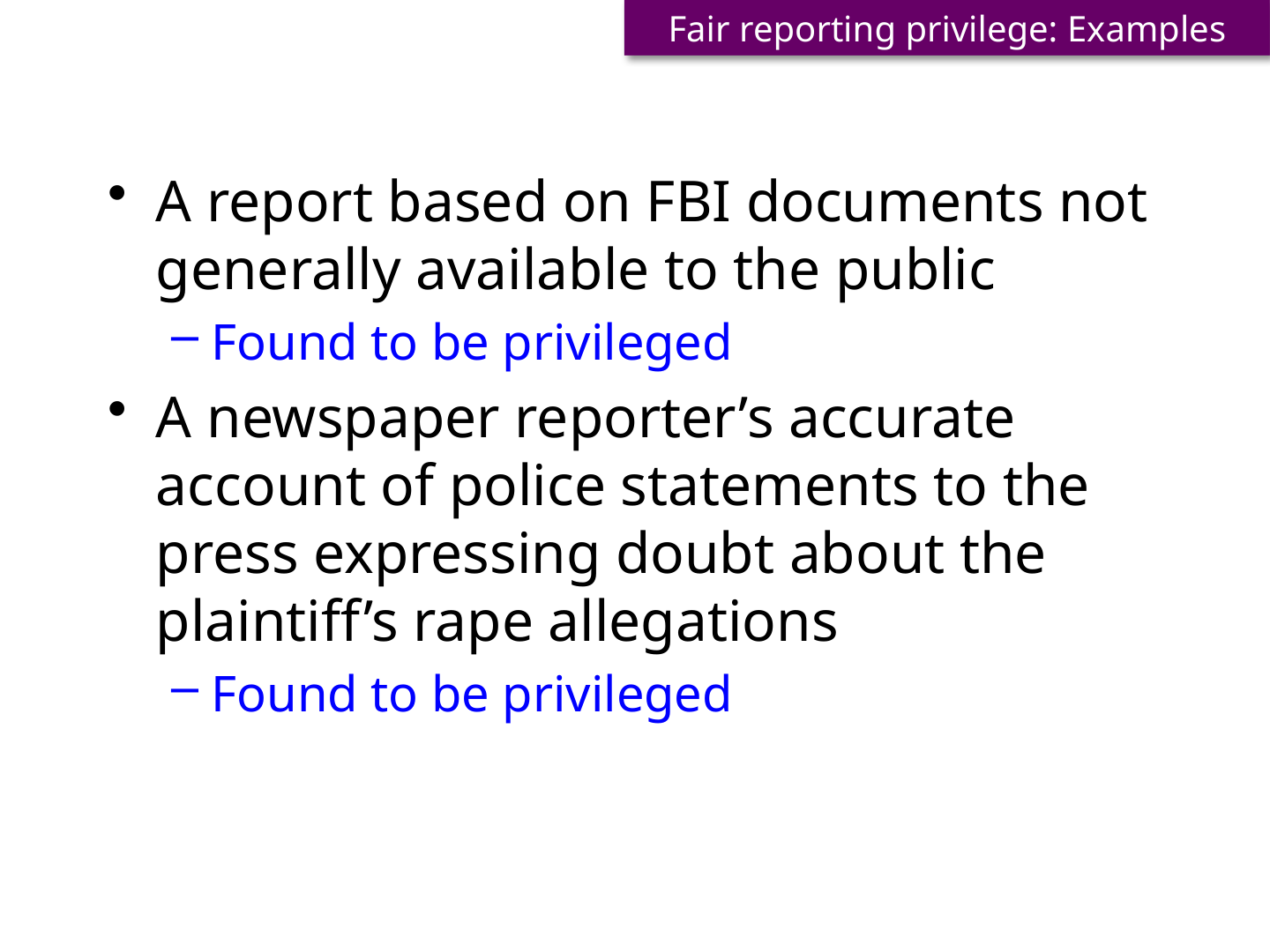
Fair reporting privilege: Examples

A report based on FBI documents not generally available to the public

    • Found to be privileged

A newspaper reporter’s accurate account of police statements to the press expressing doubt about the plaintiff’s rape allegations

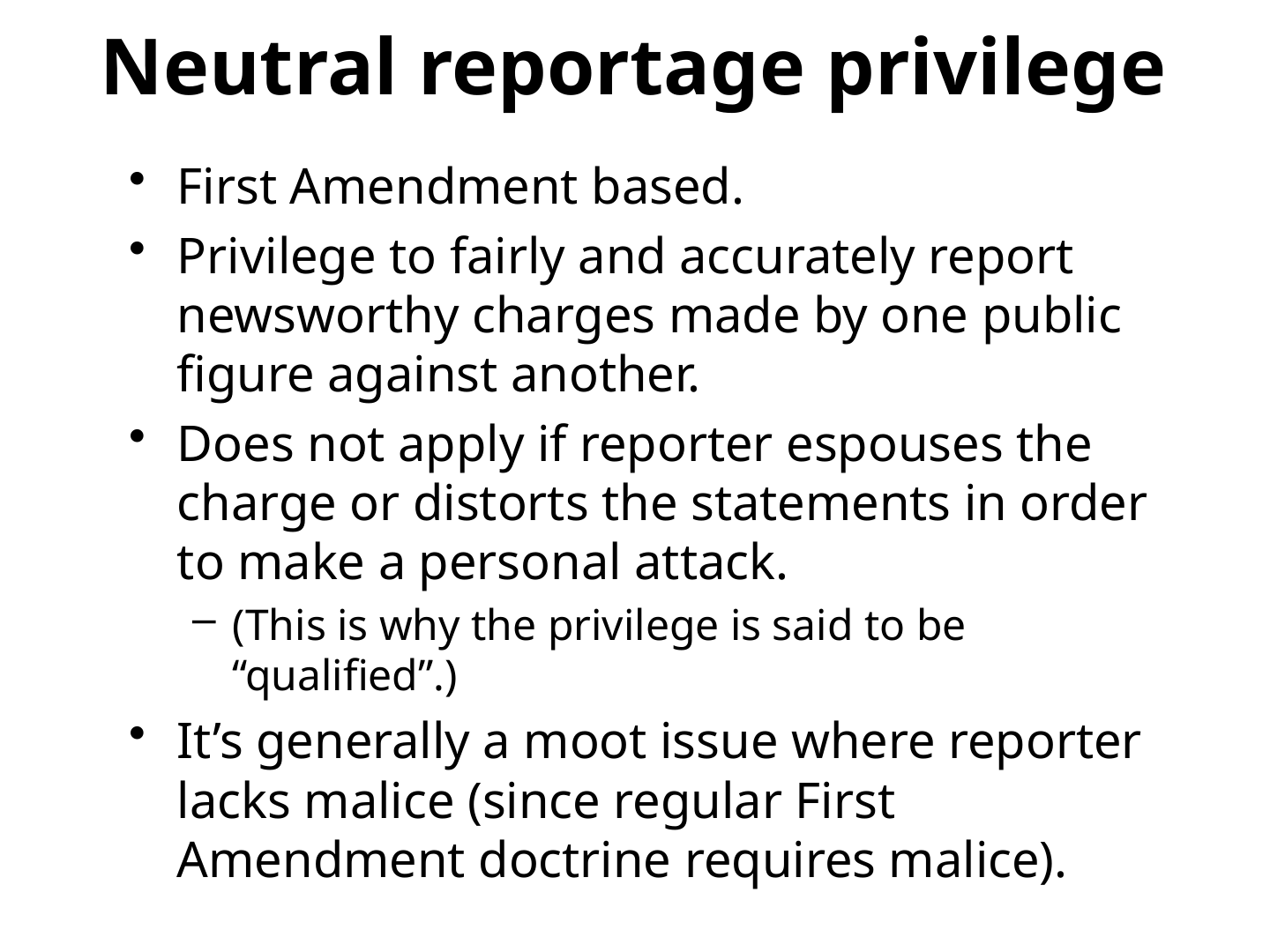
Neutral reportage privilege

  • First Amendment based.
  • Privilege to fairly and accurately report newsworthy charges made by one public figure against another.
  • Does not apply if reporter espouses the charge or distorts the statements in order to make a personal attack.
    • (This is why the privilege is said to be “qualified”.)
  • It’s generally a moot issue where reporter lacks malice (since regular First Amendment doctrine requires malice).

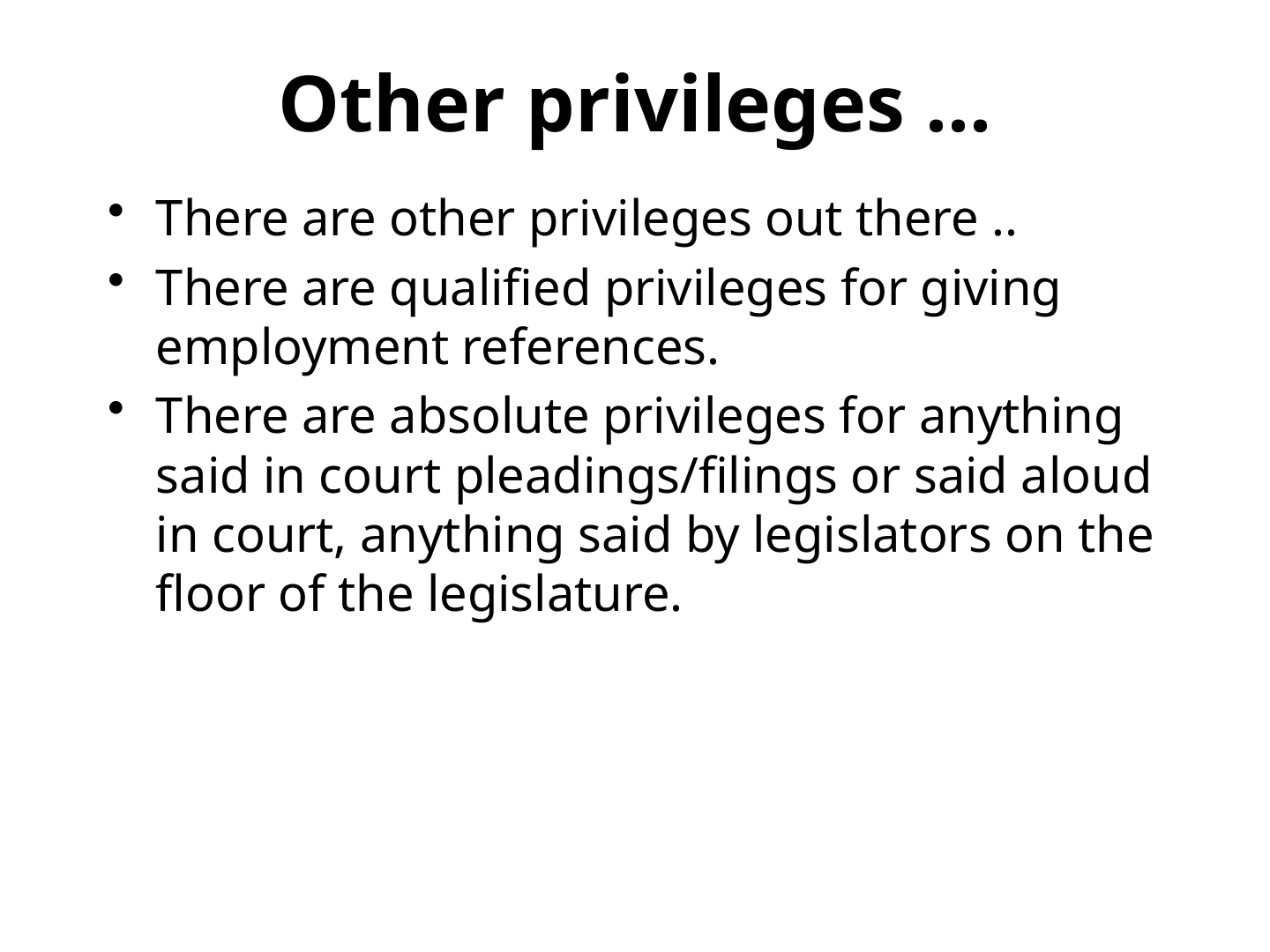
Other privileges ...

  • There are other privileges out there ..
  • There are qualified privileges for giving employment references.
  • There are absolute privileges for anything said in court pleadings/filings or said aloud in court, anything said by legislators on the floor of the legislature.

§230

§230 Safe HarborApplicable to Defamation, Outrage, and Privacy Torts

§230

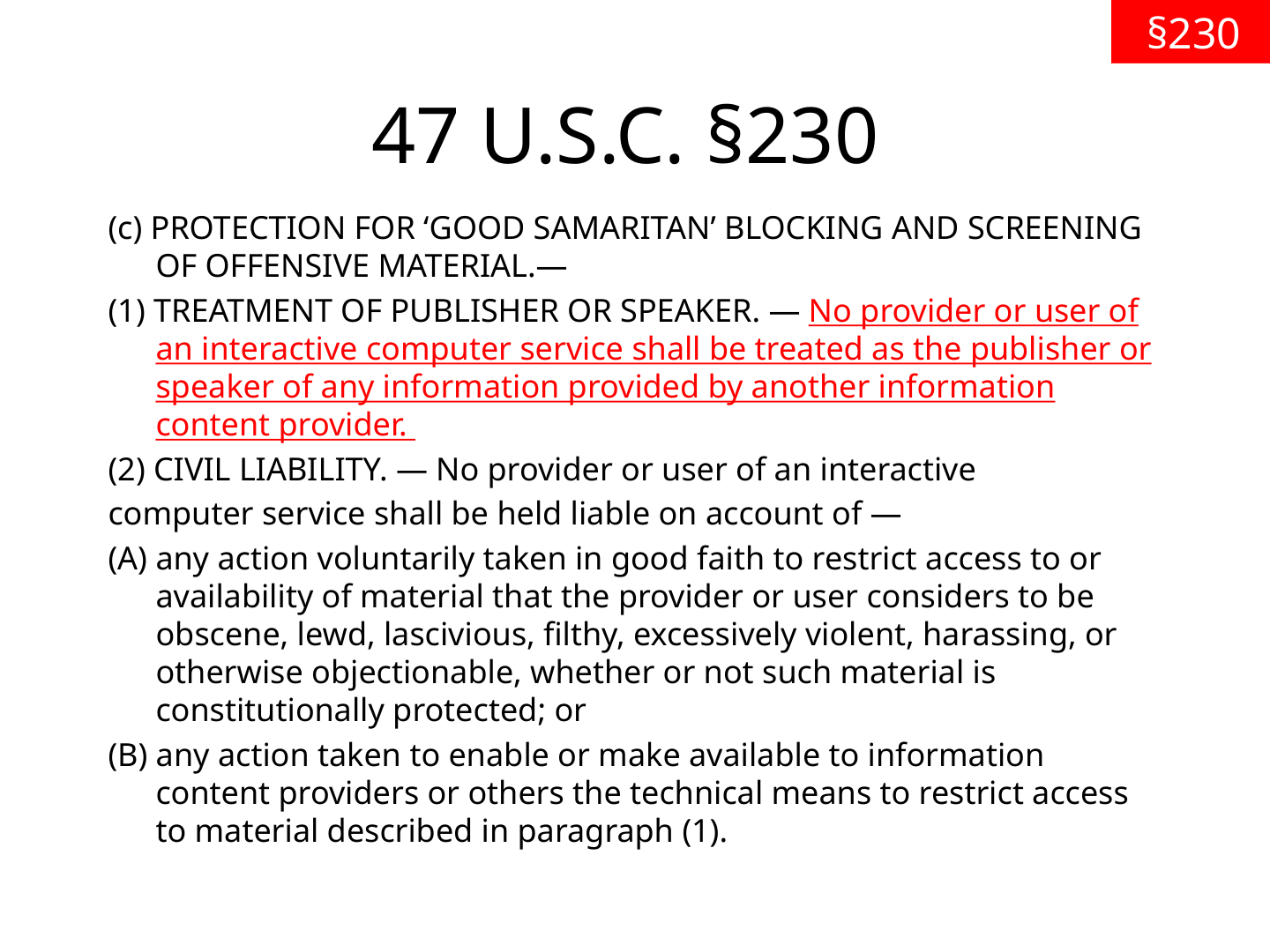
47 U.S.C. §230

  • (c) PROTECTION FOR ‘GOOD SAMARITAN’ BLOCKING AND SCREENING OF OFFENSIVE MATERIAL.—
  • (1) TREATMENT OF PUBLISHER OR SPEAKER. — No provider or user of an interactive computer service shall be treated as the publisher or speaker of any information provided by another information content provider.
  • (2) CIVIL LIABILITY. — No provider or user of an interactive
  • computer service shall be held liable on account of —
  • (A) any action voluntarily taken in good faith to restrict access to or availability of material that the provider or user considers to be obscene, lewd, lascivious, filthy, excessively violent, harassing, or otherwise objectionable, whether or not such material is constitutionally protected; or
  • (B) any action taken to enable or make available to information content providers or others the technical means to restrict access to material described in paragraph (1).

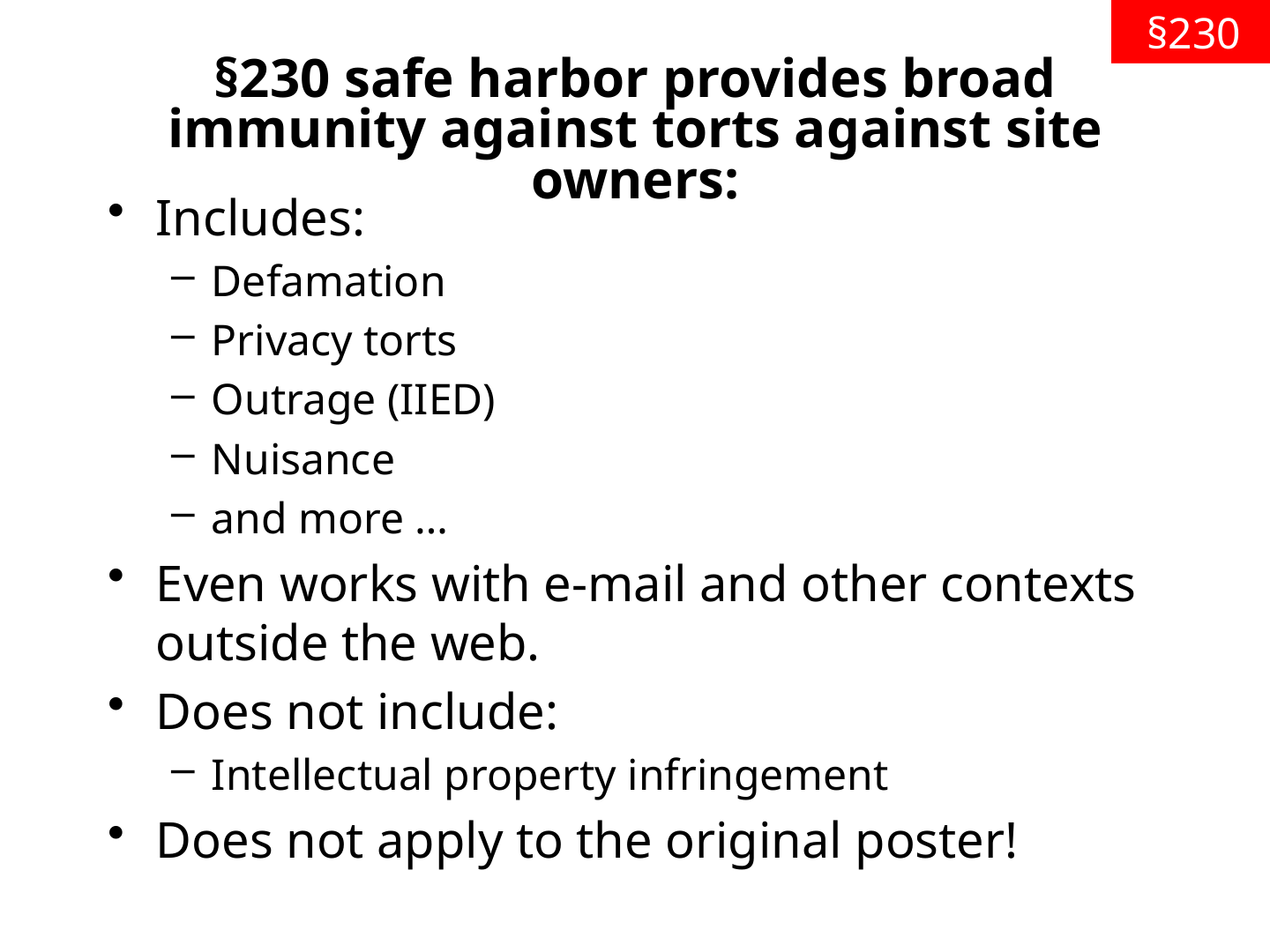
§230 safe harbor provides broad immunity against torts against site owners:

  • Includes:
    • Defamation
    • Privacy torts
    • Outrage (IIED)
    • Nuisance
    • and more …
  • Even works with e-mail and other contexts outside the web.
  • Does not include:
    • Intellectual property infringement
  • Does not apply to the original poster!

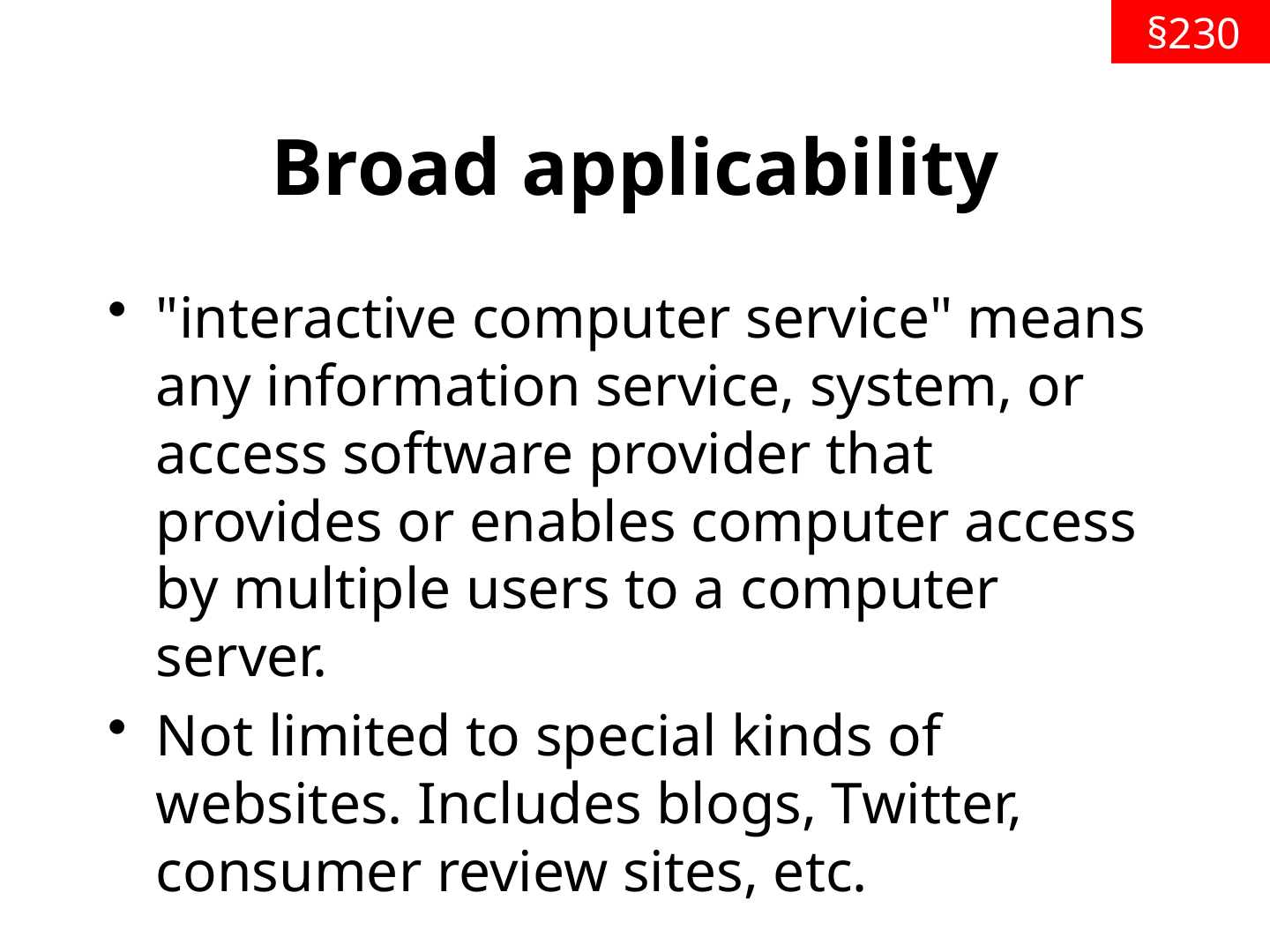
Broad applicability

  • "interactive computer service" means any information service, system, or access software provider that provides or enables computer access by multiple users to a computer server.
  • Not limited to special kinds of websites. Includes blogs, Twitter, consumer review sites, etc.

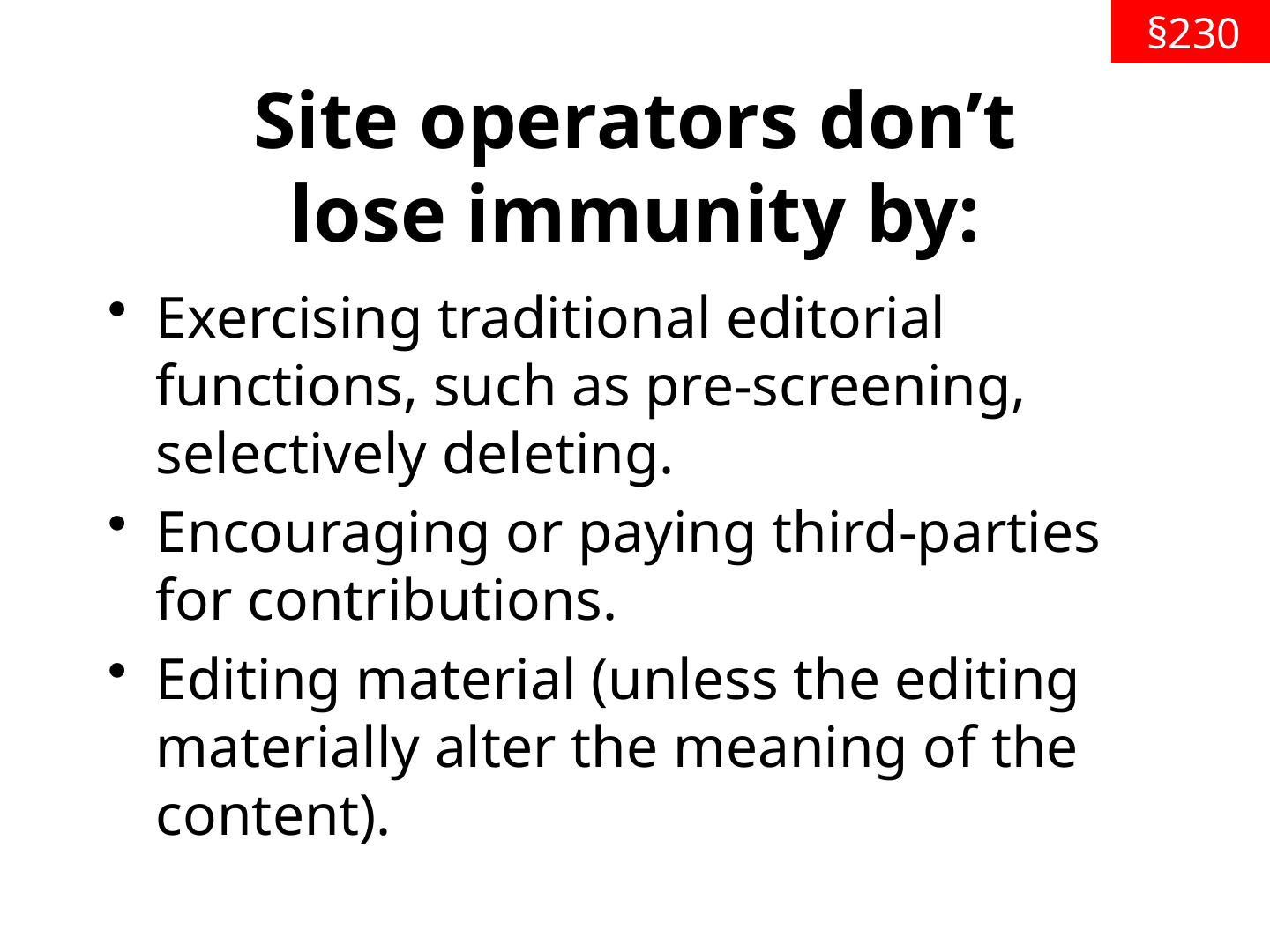
Site operators don’t lose immunity by:

  • Exercising traditional editorial functions, such as pre-screening, selectively deleting.
  • Encouraging or paying third-parties for contributions.
  • Editing material (unless the editing materially alter the meaning of the content).

§230 is controversial and is subject to attempts at reform
  • From Derek Bambauer Oct. 8, 2020 post on Brookings Institution blog:
  • President Donald Trump and former Vice President Biden differ on most issues, but a new proposal from Trump’s Department of Justice reveals one point of agreement: Section 230 of the Communications Decency Act needs to go. Biden has openly called for its repeal. While the proposal purports to remedy flaws in the statute, its text shows that Trump has come to bury Section 230, not reform it. And though his Justice Department is advocating what it describes as reform, Trump made his personal opinion clear in a tweet on Tuesday: “REPEAL SECTION 230!!!”
  • Headline from Nov. 17, 2020 piece on Wired.com:
  • The Senate's Section 230 Discourse Somehow Keeps Getting Dumber
  • From Oct. 27, 2020 The Hill story:
  • Facebook CEO Mark Zuckerberg will express support for reforming Section 230 of the Communications Decency Act during a Senate hearing on the online liability law, according to prepared testimony reviewed by The Hill.
  • "Section 230 made it possible for every major internet service to be built and ensured important values like free expression and openness were part of how platforms operate,” he is set to say.
  • “However, I believe Congress should update the law to make sure it’s working as intended. We support the ideas around transparency and industry collaboration that are being discussed in some of the current bipartisan proposals, and I look forward to a meaningful dialogue about how we might update the law to deal with the problems we face today.”